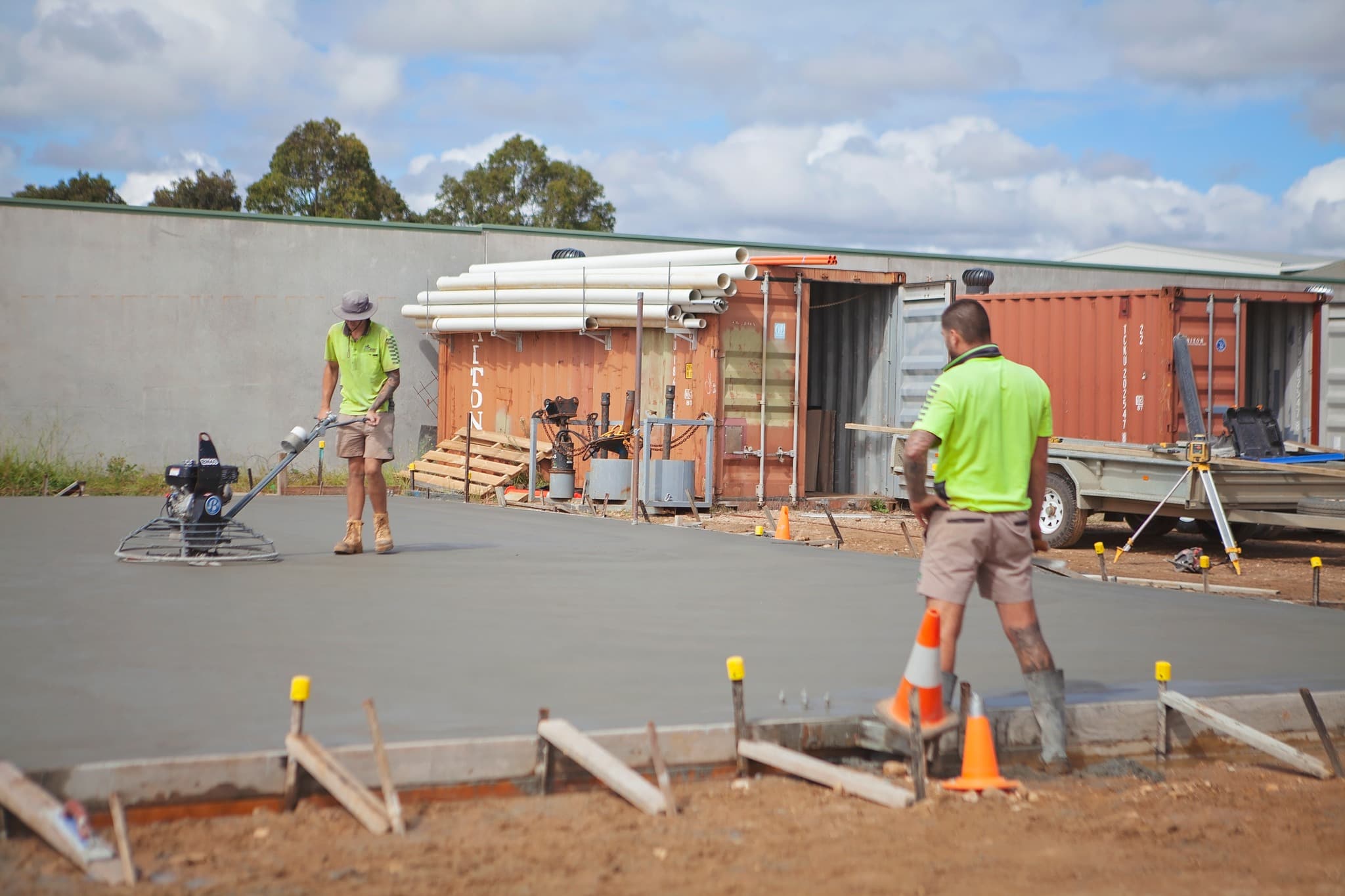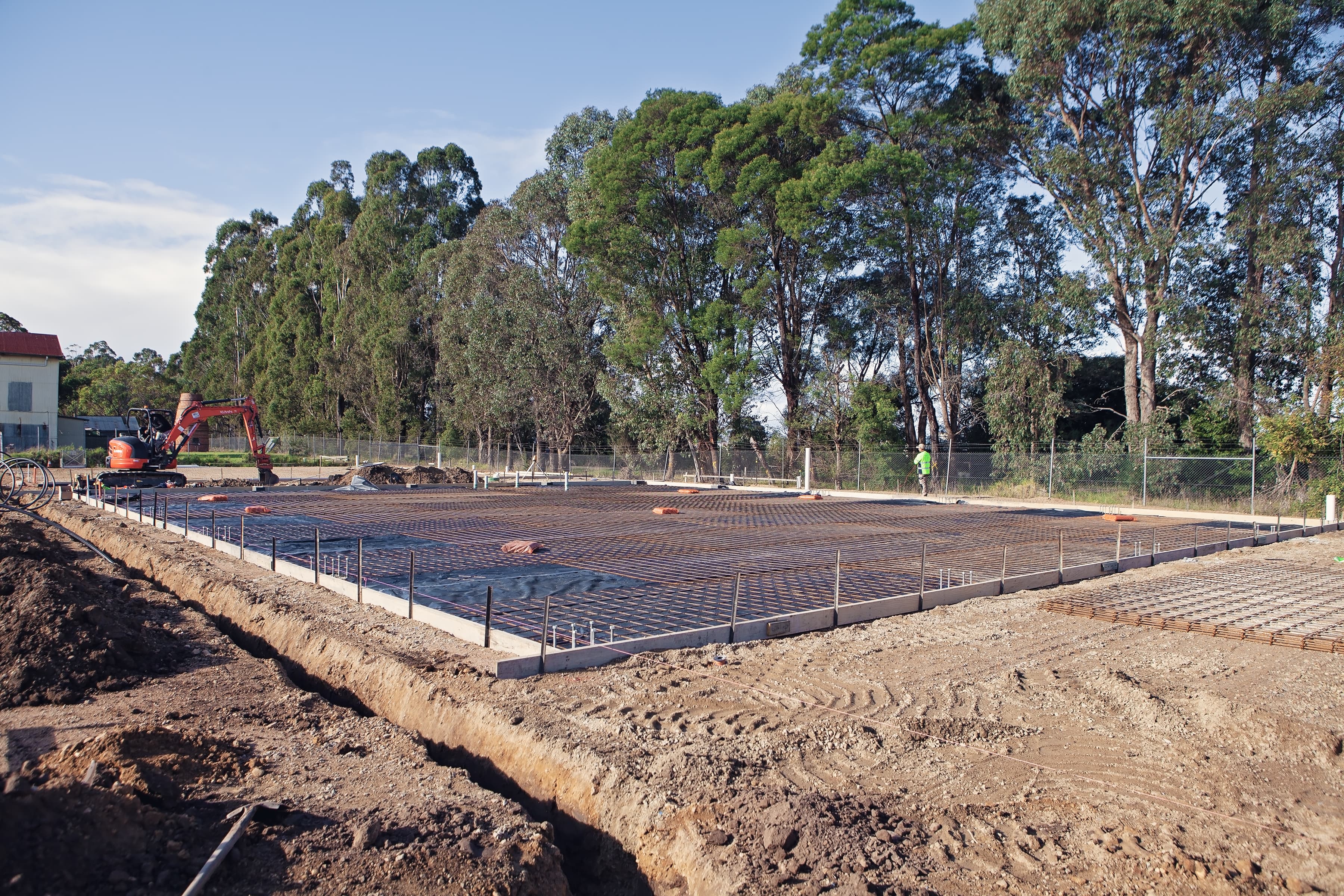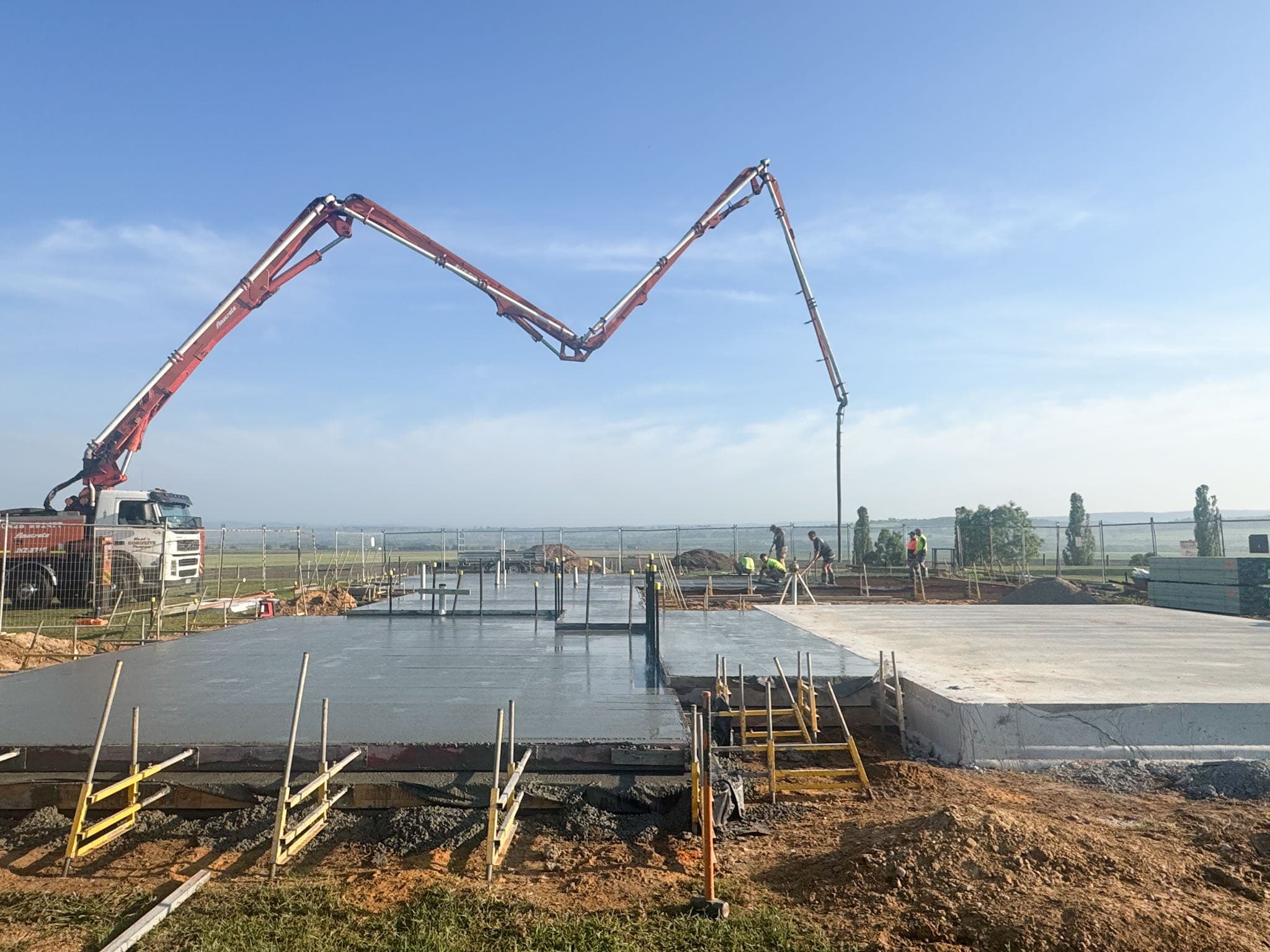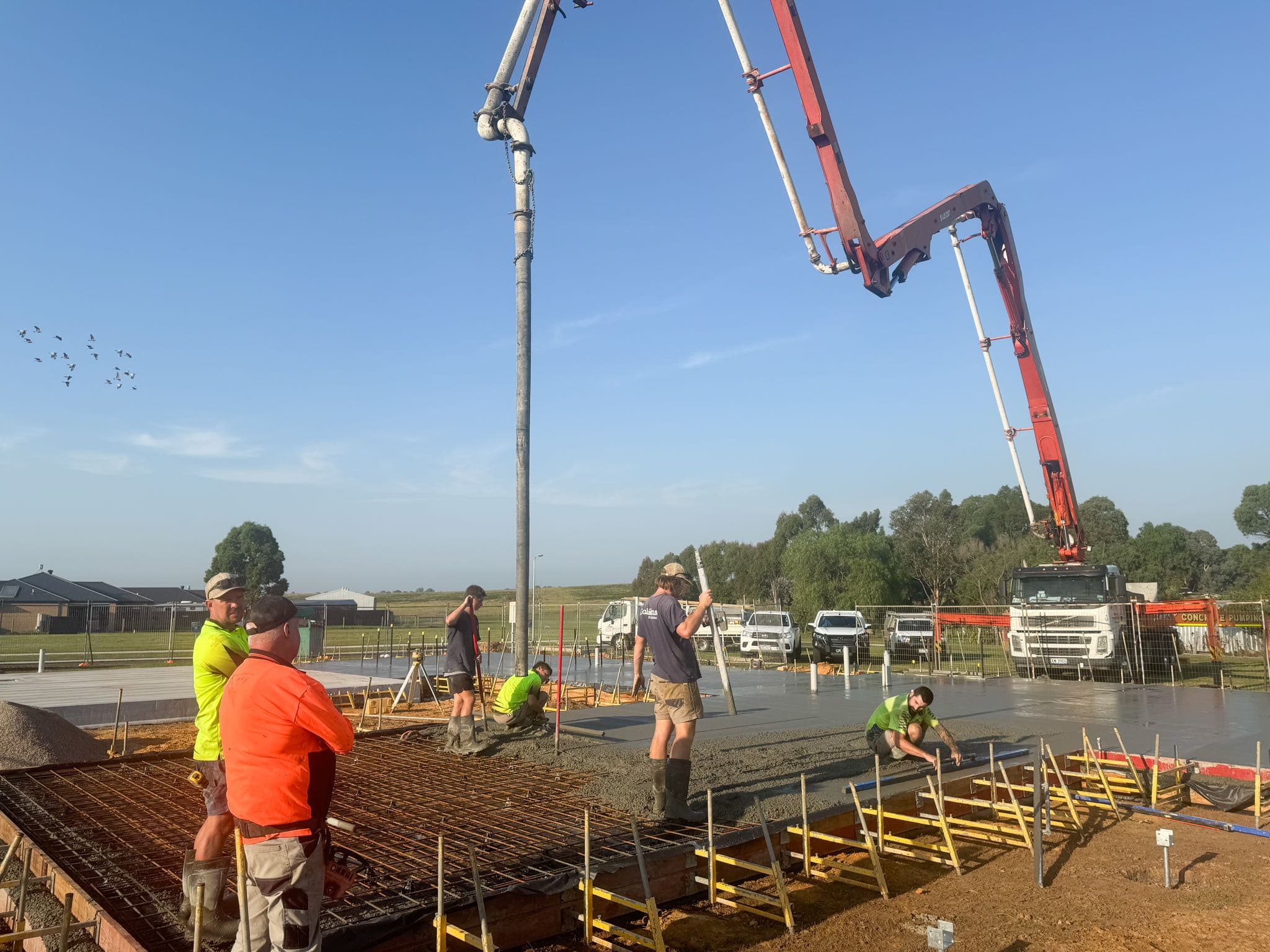
On reactive clay, which is common across Bairnsdale and Lindenow, the slab type is an engineering call, not a preference. Waffle pod slabs sit on the ground and suit many level blocks. Stiffened raft slabs dig footing beams in and suit more reactive or sloping sites. The soil report and the AS2870 site classification decide it, not the lowest quote.
Updated August 2026.
You can’t pick a slab type off a brochure, and you can’t pick it before anyone’s looked at the dirt. A house slab in East Gippsland is designed off two documents: the soil report and the engineer’s plan that flows from it. The slab type is an output of that, not a preference. What we can do is explain how each one works in plain English, so when the engineer specs a waffle pod or a raft you know why.
How a waffle pod slab works
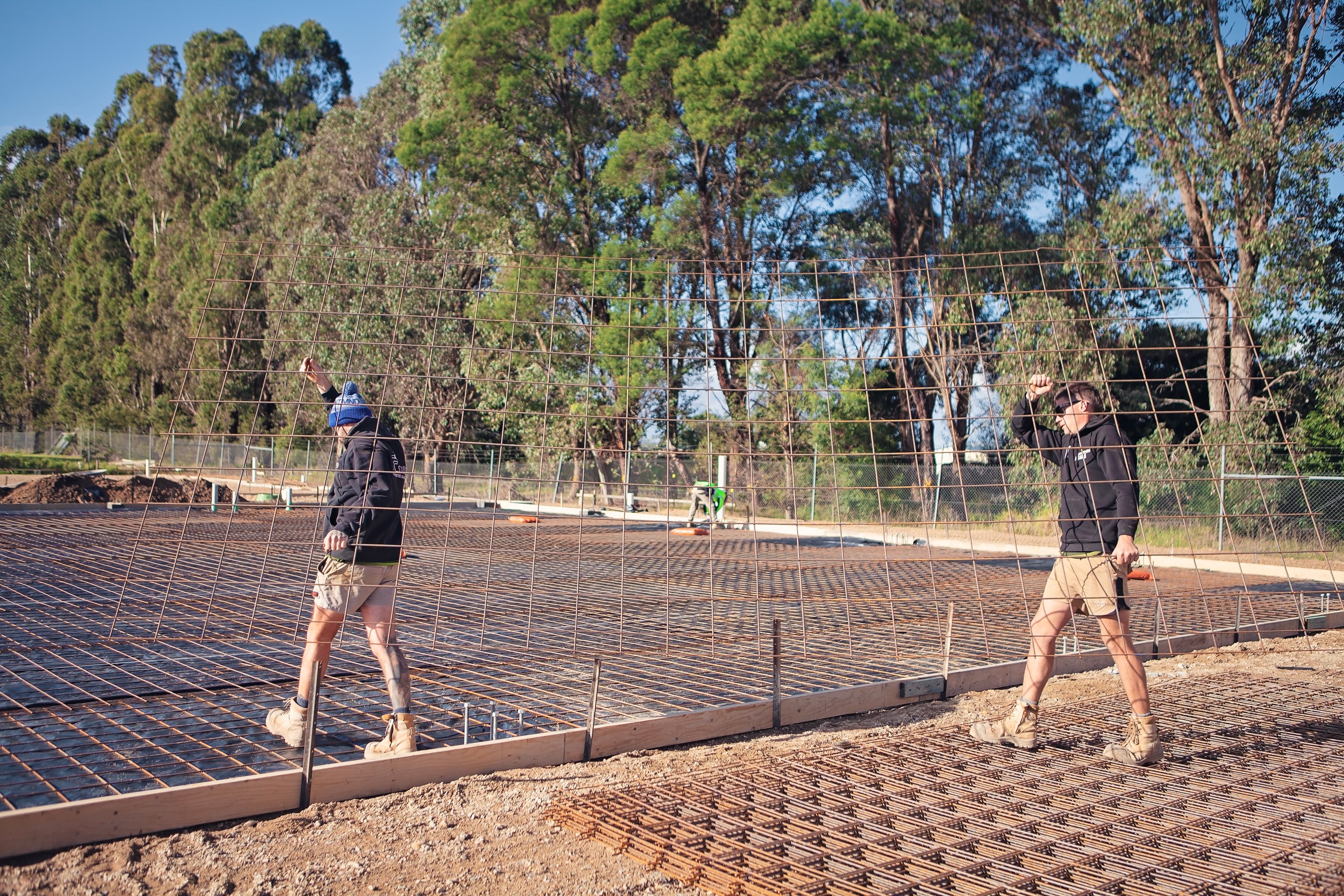
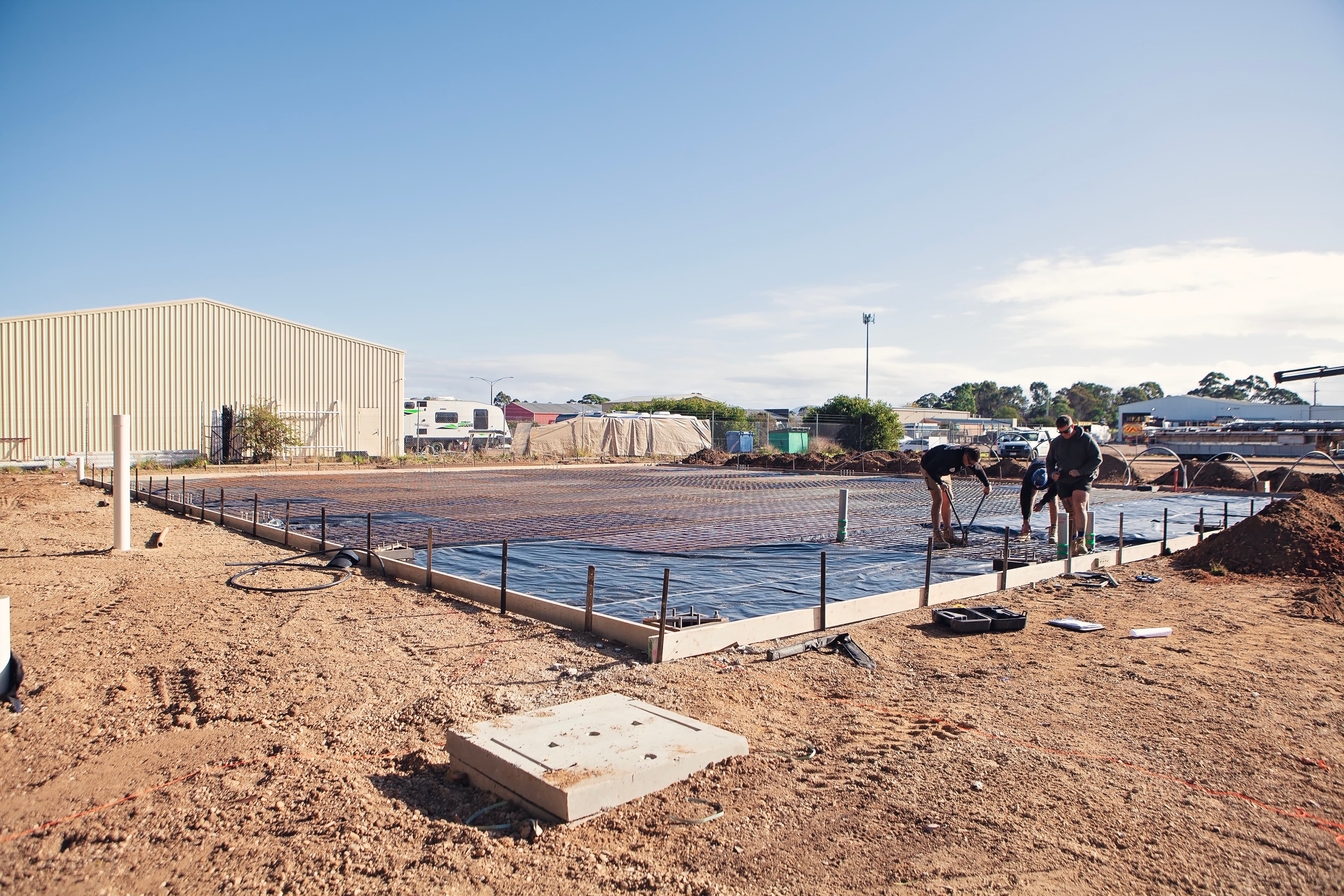
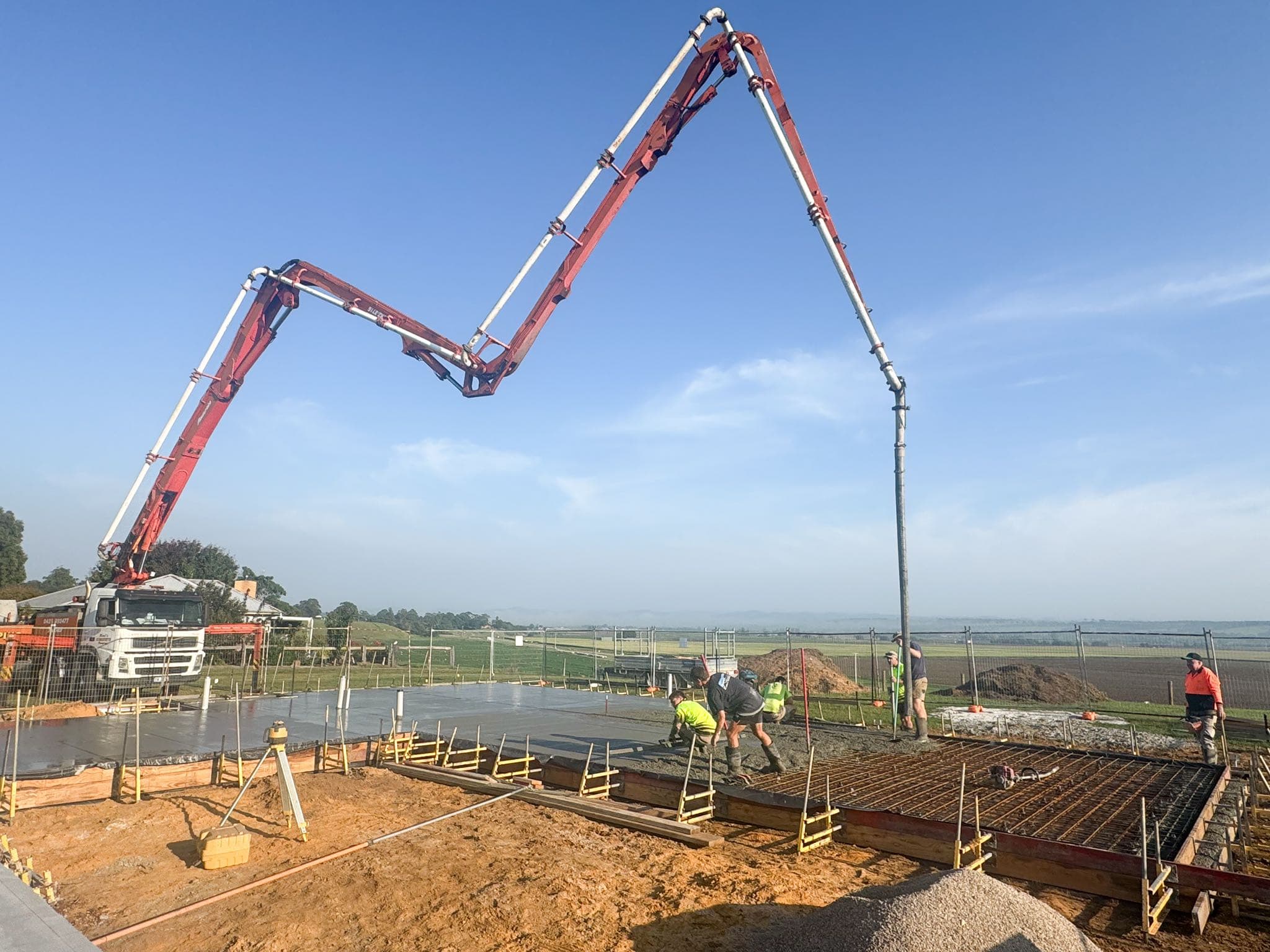
A waffle pod slab sits on top of the ground. Rows of polystyrene pods (the “waffle”) are laid out on a level pad, steel goes over and between them, and concrete is poured across the top and down into the gaps to form a grid of beams underneath. The finished slab is one stiff raft resting on the surface, with the pods left in as void formers.
Because there is little or no digging of footing trenches, a waffle pod slab suits a level, well-drained block where the ground is stable enough to carry it. It is quick to set out and uses less excavation. The catch, and this is where DIY assumptions go wrong, is that a waffle pod slab relies on the pad under it being properly prepared and the site being suited to it. Drop one on badly compacted fill or highly reactive clay without the engineering to match and you are asking for movement.
How a stiffened raft slab works
A stiffened raft slab digs its strength into the ground. Footing beams are excavated as trenches below the slab, in a grid, then filled with steel and concrete as part of the pour. The slab and its beams act together as one stiff mat, but with the beams reaching down into firmer, more stable soil.
That extra reach is the point. On reactive clay that swells and shrinks with moisture, or on a sloping block, deeper stiffening beams resist the ground moving the slab around. A raft slab costs more to dig and uses more concrete than a waffle pod on the same footprint, but on a reactive or difficult site it is often what the engineer will sign off on. Choosing a waffle pod to save money on ground that needs a raft is a false economy, and it usually shows up as cracking inside a few years.
Site classification under AS2870
Australian residential slabs are designed to AS2870, the standard for residential slabs and footings. It classifies your site by how much the ground is expected to move as moisture changes, and that class drives the slab design. The main classes are:
- Class M: moderately reactive clay or silt, with moderate ground movement expected. Common on many inland East Gippsland blocks.
- Class H1: highly reactive clay, with high ground movement. Pushes toward deeper, stiffer footings.
- Class H2: very highly reactive, more movement again, and heavier engineering.
- Class E: extremely reactive sites, the most demanding standard residential class.
- Class P: problem sites. Soft or unstable ground, uncontrolled fill, landslip or sites otherwise outside the normal classes, needing specific engineering.
There is also Class A (stable, sand or rock, little movement) and Class S (slightly reactive) at the gentler end. The higher up that scale your block sits, the more the design leans toward a stiffened raft with deeper beams, and the less a plain waffle pod does the job on its own. The site classification comes from a geotechnical soil test, not a guess off the surface.
The East Gippsland intersection
This is where the local ground matters. East Gippsland is not one soil type, and the slab call changes across the region.
- Reactive clay on the inland flats around Bairnsdale and Lindenow often classes M or H1. That reactivity is exactly what stiffened raft slabs and deeper footings are built to handle.
- Sand and coastal ground out toward Paynesville and Lakes Entrance is a different story. Sand is less reactive but can need bulk fill and proper compaction, and low-lying blocks bring their own drainage and stability questions.
- Fill and problem sites anywhere in the shire can push a block to Class P, which is a specific-engineering job regardless of what the neighbour poured.
The point is that the block next door is not a reliable guide. Two houses on the same street can carry different site classes and different slab designs.
Why we quote off the spec, not a guess
We do not pick your slab type over the phone, and we would be wary of anyone who does. We quote off the engineer’s design and the soil report, engineered to spec. If a builder has those documents we ask for them. If they do not, we tell you a geotechnical soil test is the first step, because it sets the site class that sets the slab.
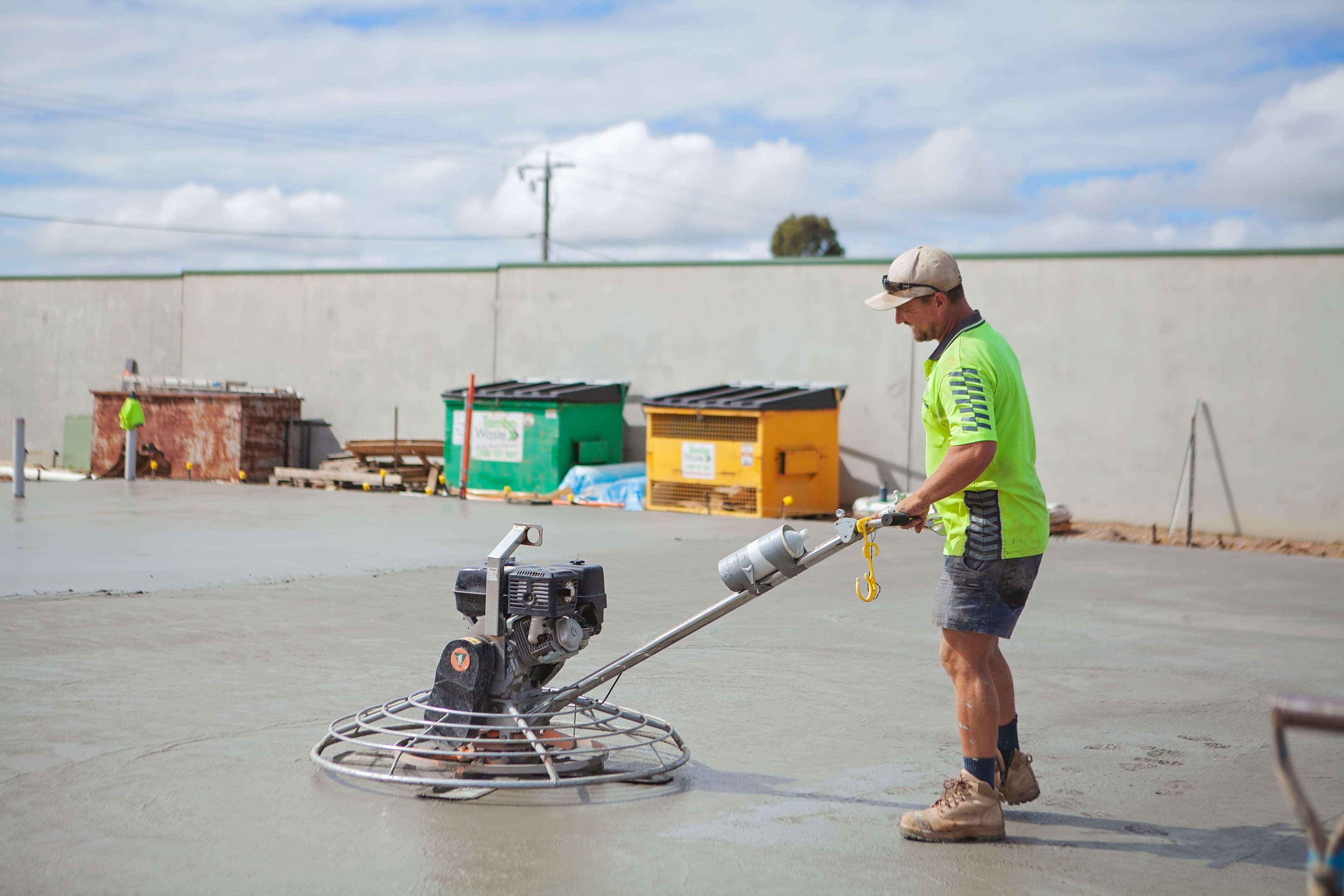
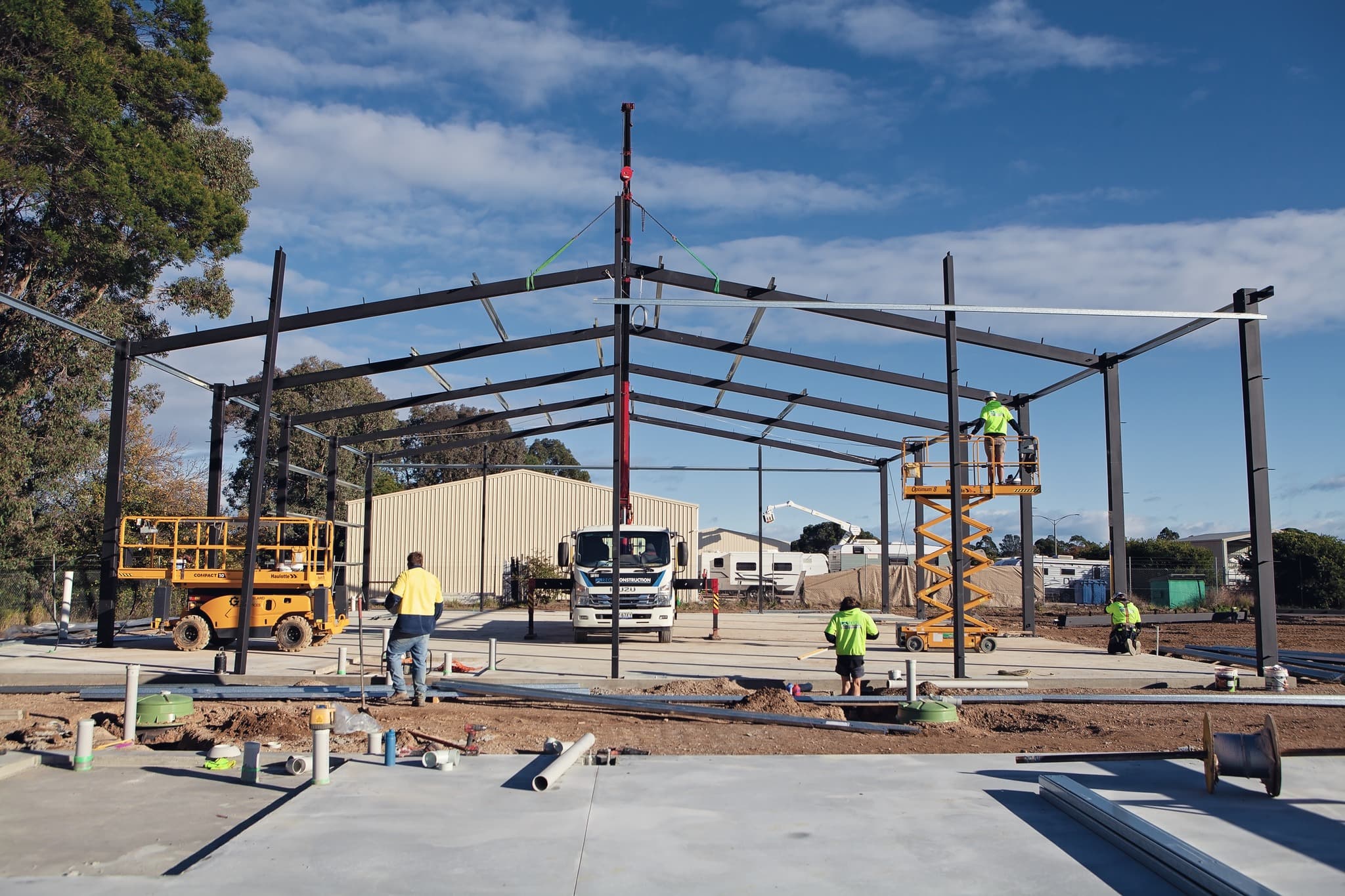
That’s also why our house slabs come with no surprises on pour day. The design is locked before we dig. We handle the excavation and the pour with one team, so the site cut, the footing beams and the slab all come off the same plan. If reactive clay and cracking is your worry, the ground prep and reinforcement are exactly how we stop concrete cracking. The design leads, not the lowest quote. Get a quote and we’ll walk you through what your block classifies for.