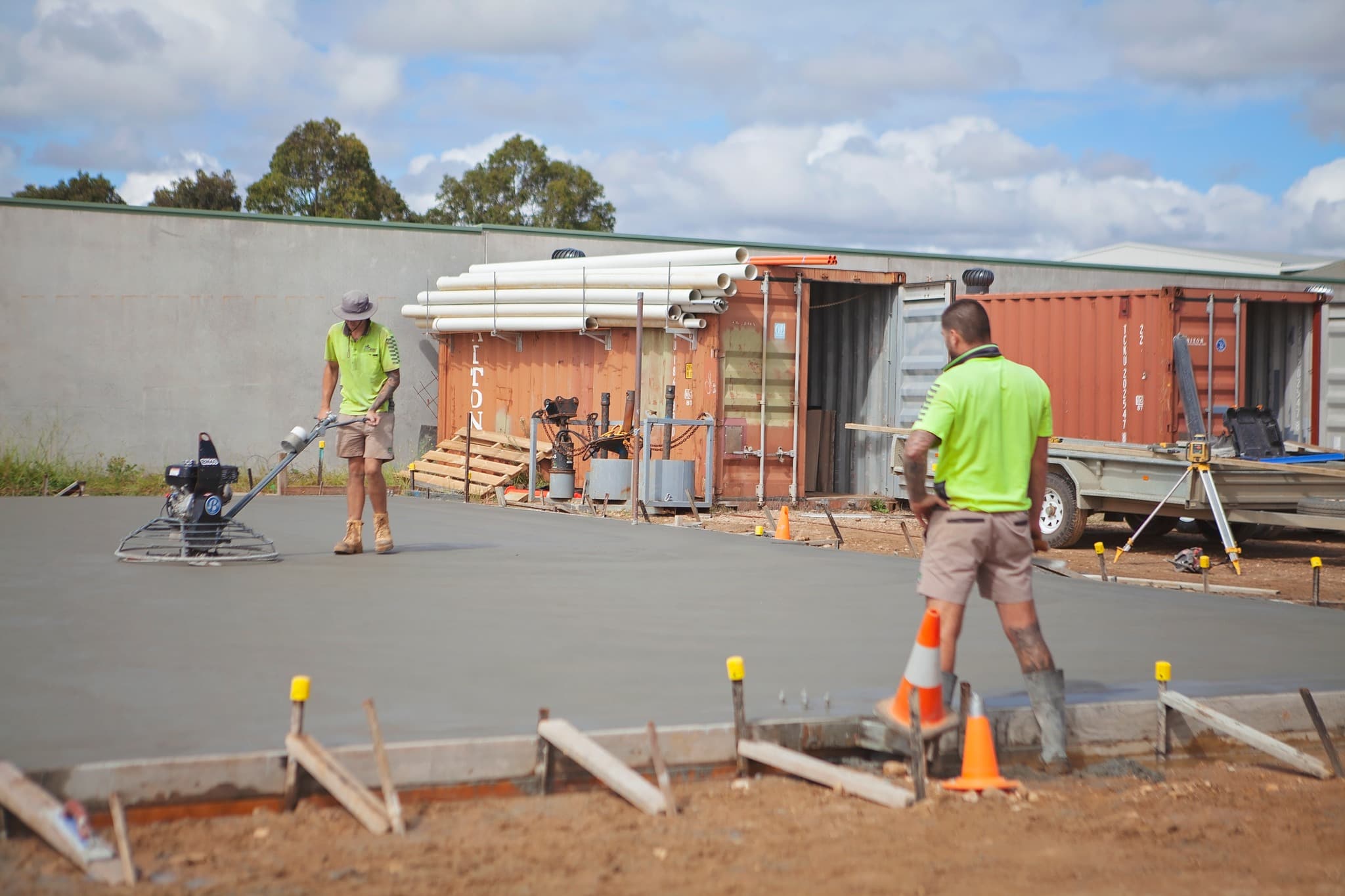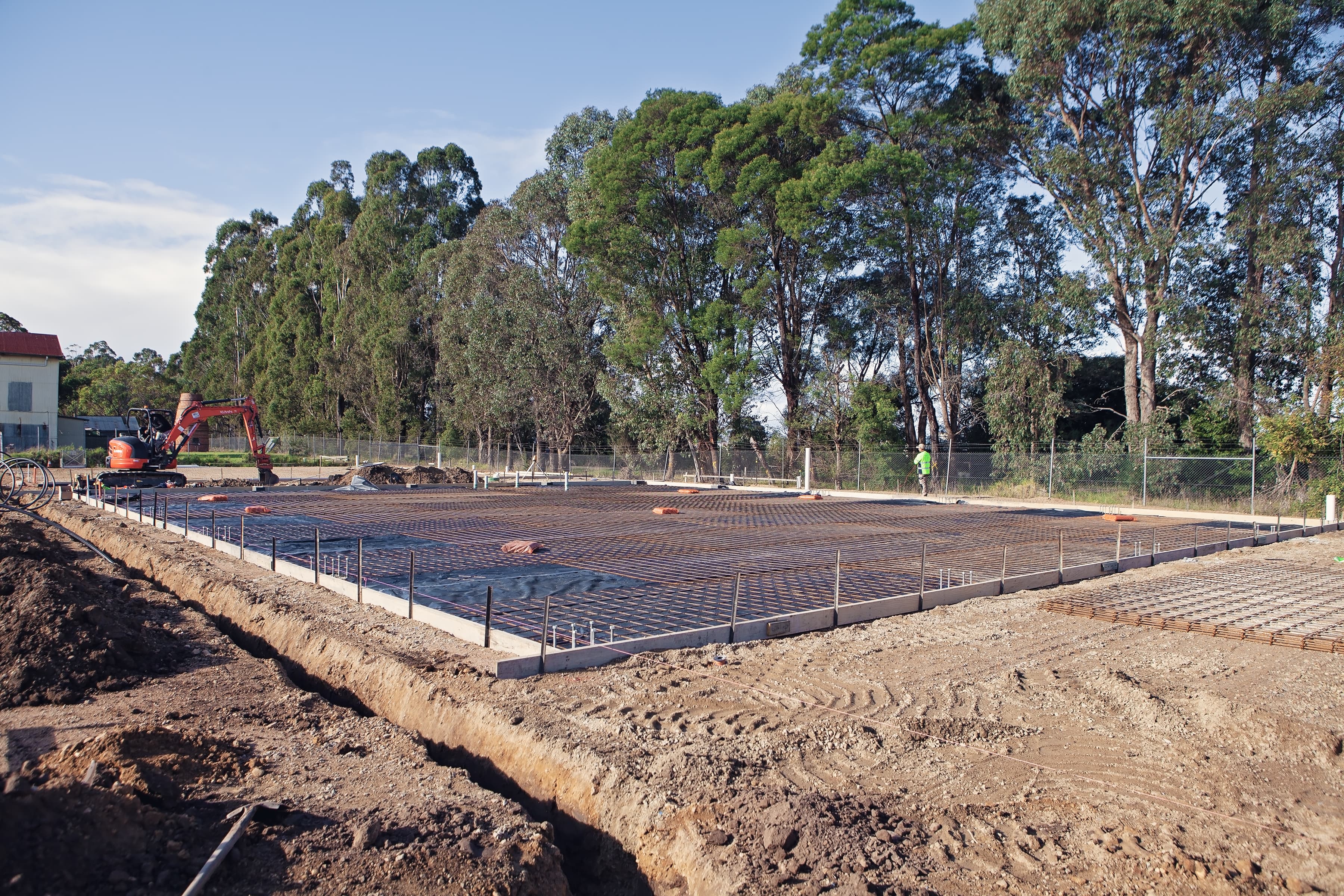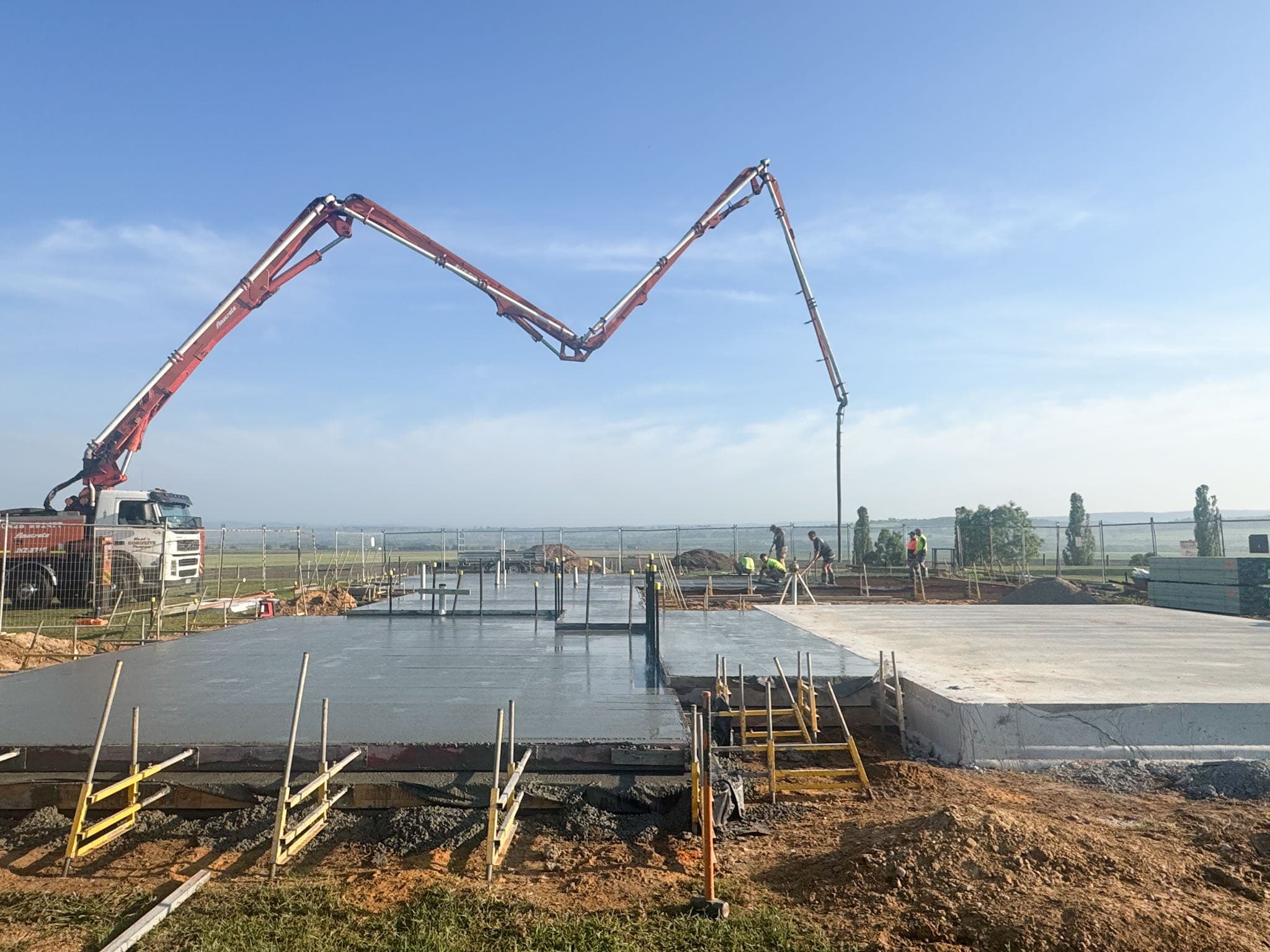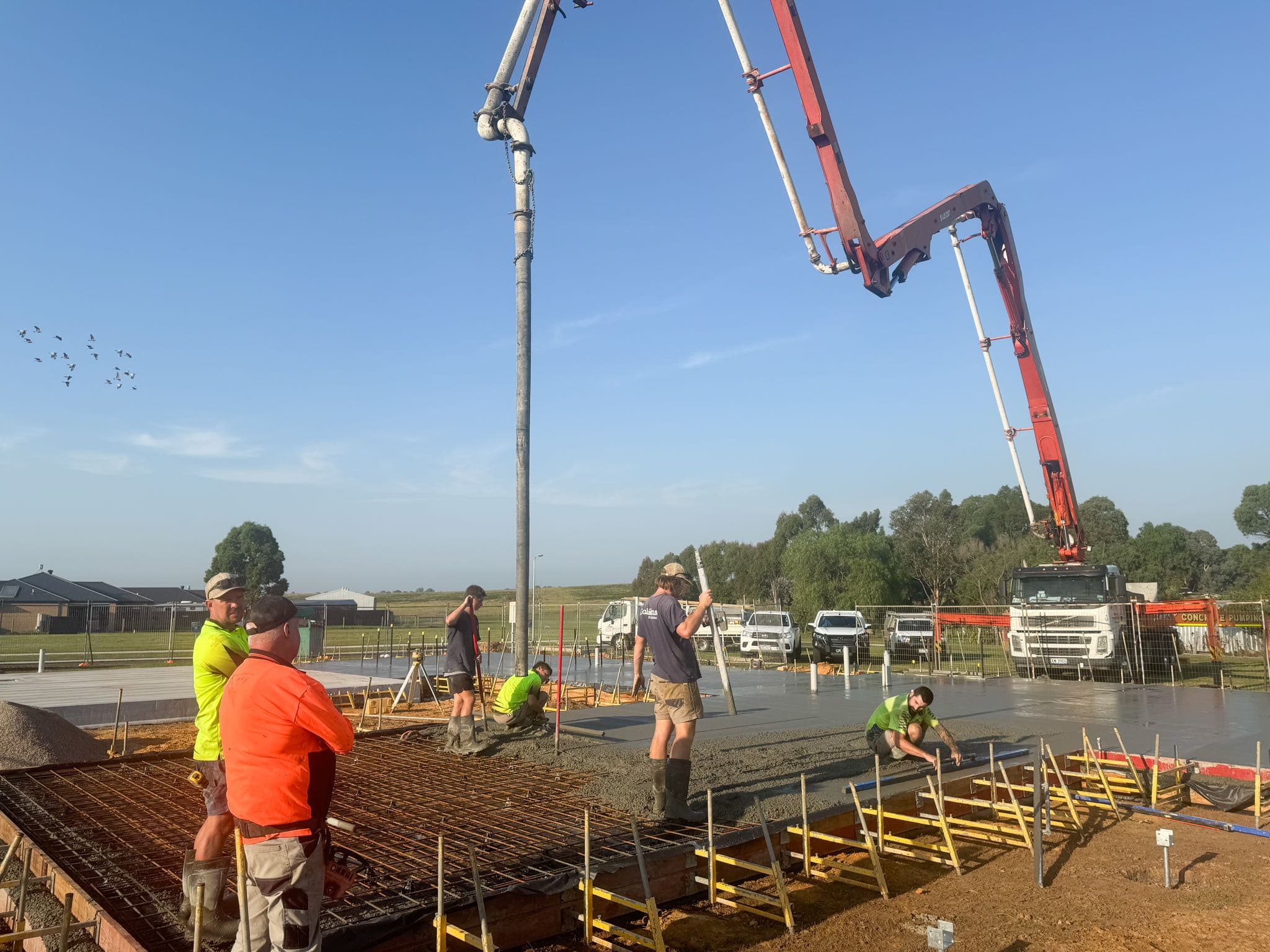
A concrete driveway in Bairnsdale is priced by the block, not by a phone-call rate. Size, fall, truck access, thickness, reinforcement, the finish you choose and how the old surface comes out all move the number. That is why we quote on site, in writing, after a visit.
A driveway that costs one number on a flat, easy block in town can cost half as much again on a sloping site out past Lucknow. Same size, same finish, different price, purely because of the ground, the fall and how the truck gets in. So when someone asks for a rough per-metre rate down the phone, the honest answer is we can’t give you a real one until we’ve walked the block.
If a concreter gives you a confident price down the phone, one of two things is happening. Either they’re padding a safety margin that lands on your invoice, or they’re about to surprise you with a variation halfway through. Neither is how we work. So here’s what actually moves the number, in the order it tends to bite.
Size and shape
Area is the obvious one. A single run to a carport is a small job. A double driveway that sweeps around to a shed is a bigger one, and it uses more concrete, more steel and more labour to form and finish.
Shape matters too. A straight rectangle is quick to form up. Curves, a turning bay, a splay at the street, steps in the level: each one adds formwork time and offcut waste. None of it is dramatic on its own, but it adds up.
The fall on the block
A flat block is the cheap one. Fall adds cost in every direction. A steeper driveway needs more formwork, more careful edge work and often cut-and-fill to get a grade you can actually drive and walk on. It also ties straight into drainage, because water follows that fall and has to go somewhere deliberate. On a steeper site, concrete driveway drainage on sloping and coastal blocks has to be graded in before the pour, not patched on afterwards.
Truck access
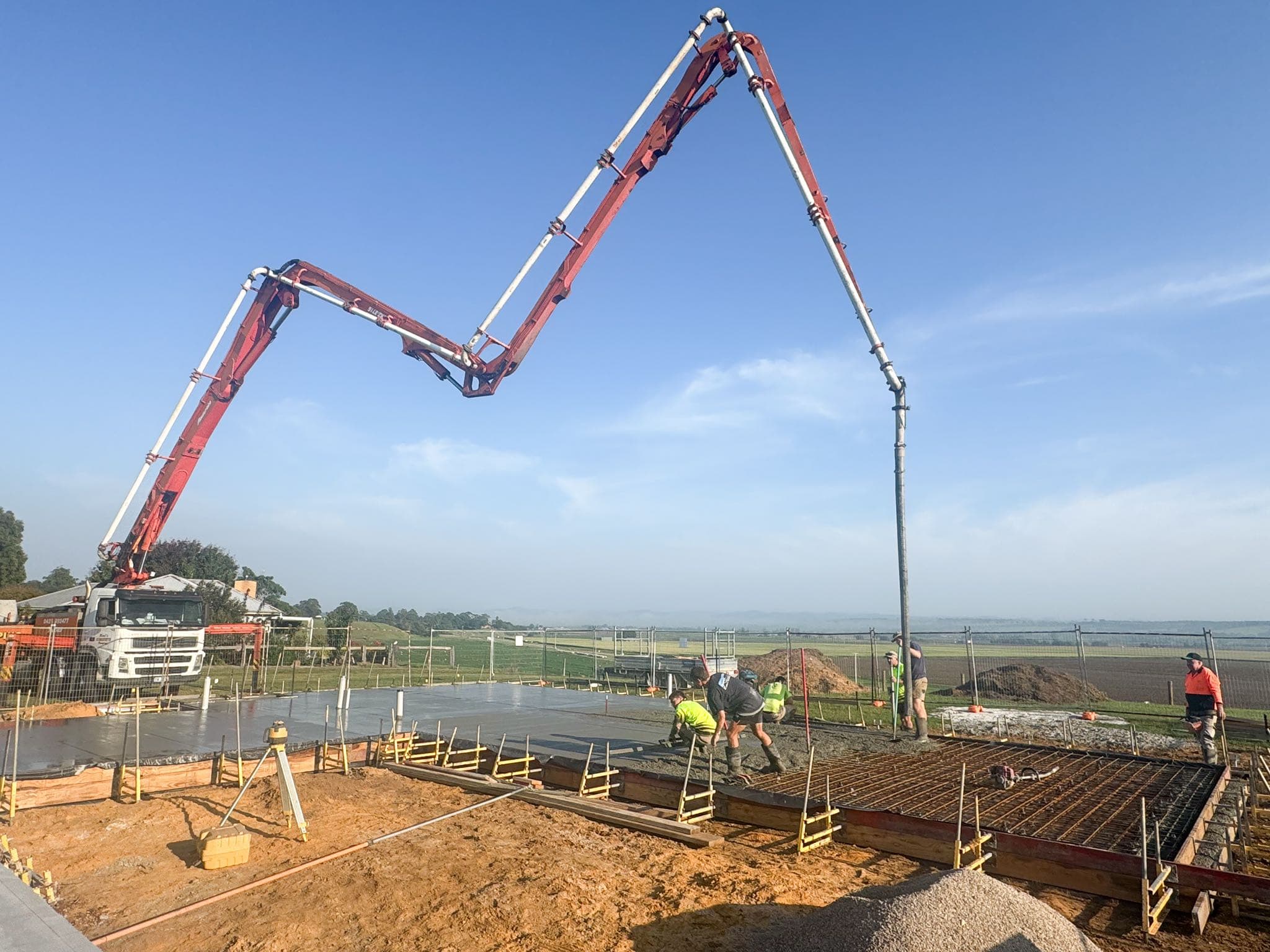
This is the one that surprises most people. Can a concrete agitator truck get within thirty to forty metres of where the driveway goes? If it can, we chute straight off the truck and the pour is straightforward. If it can’t, we pump.
Pump trucks add real money: usually hundreds per hour plus a mobilisation fee. On a tight block in Paynesville or a steep one near the Lakes, that can be the difference between one price and a noticeably higher one. Overhead power lines, low branches, narrow side access and soft, wet ground all factor in as well.
Sub-base and site prep
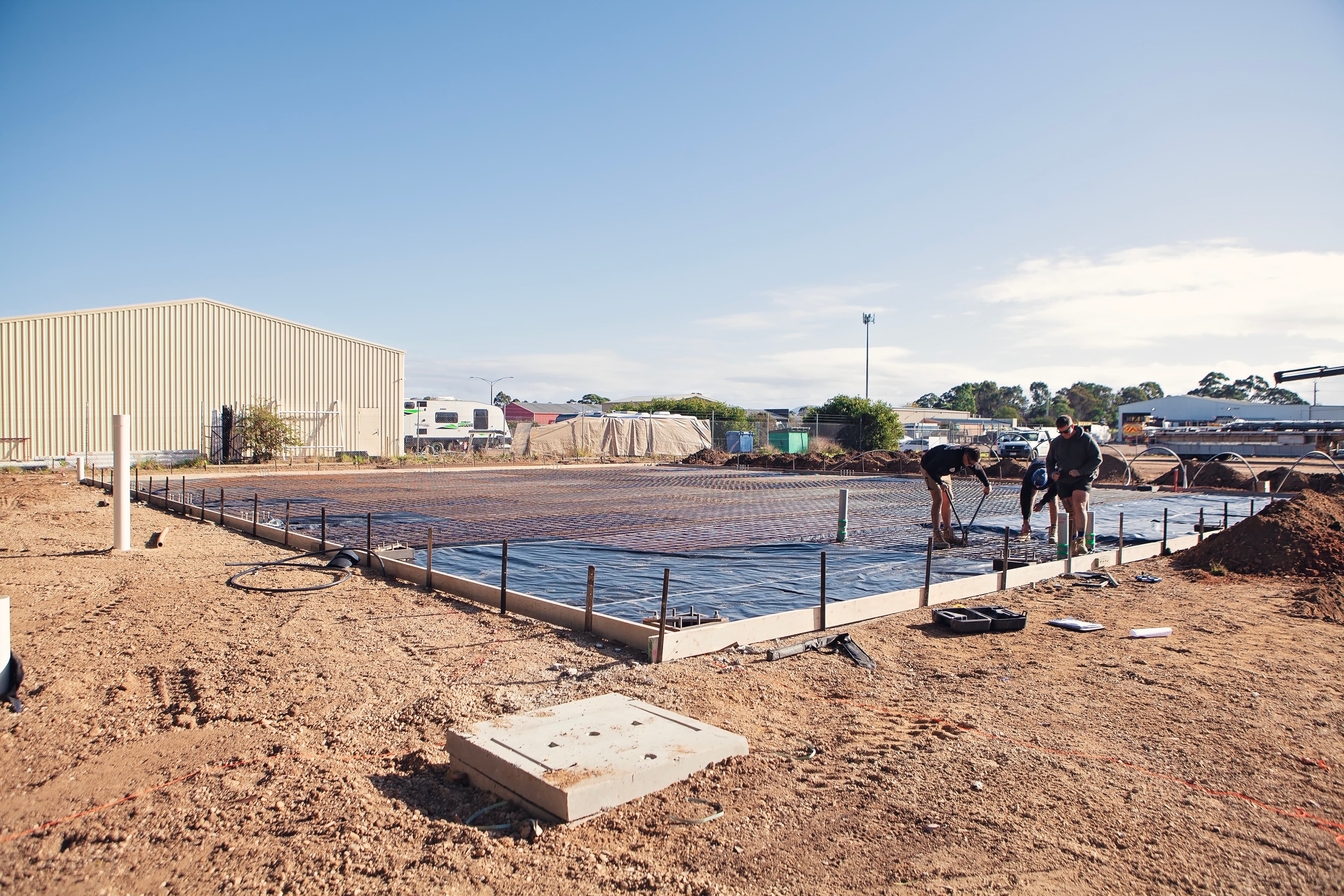
A driveway is only as good as what sits under it. Before any concrete goes down we strip the topsoil and bring the base up in compacted layers to a level the slab can sit on evenly.
- Soft or reactive clay, which you hit on plenty of inland blocks around Bairnsdale and Lindenow, usually wants a deeper base and more prep to sit stable.
- The sandy ground closer to Paynesville and Lakes Entrance is a different job again, often imported fill brought up and compacted before we form anything.
- Rock under the topsoil changes the dig and the price with it.
We do our own excavation, so the dig and the pour are one quote from one team. You’re not stitching two contractors together and copping padding in both.
Thickness and reinforcement
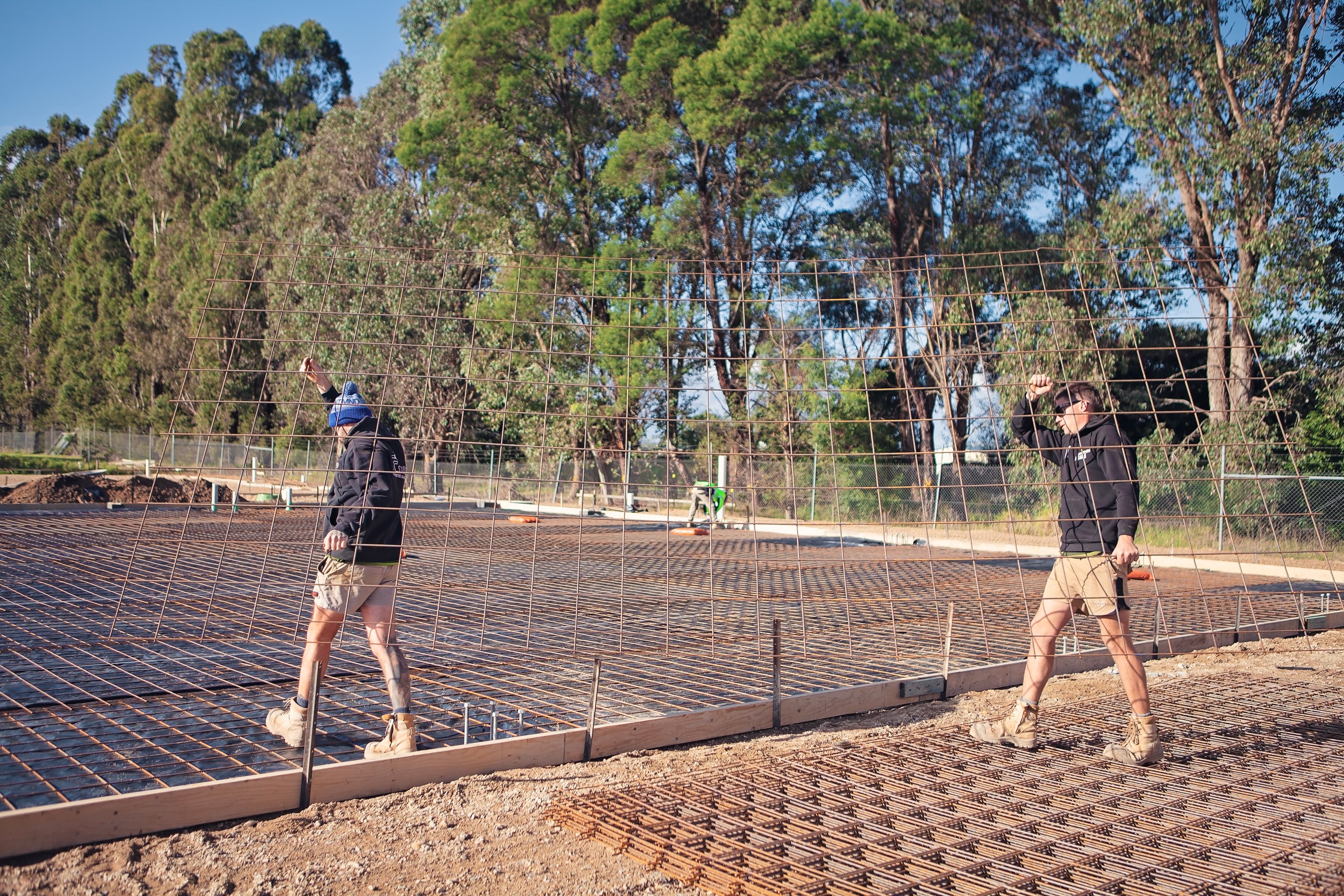
The load sets the spec. A standard car driveway is a different animal to one carrying a caravan, a float or farm machinery, and the concrete gets thicker and the steel heavier as the load goes up. That is a real cost lever, and it is not one to shave. How thick a concrete driveway should be comes down to the heaviest thing that will ever sit on it.
Skipping thickness or reinforcement to save a bit on day one is a false economy. A driveway that cracks and lifts in year two costs far more to rip out and redo than it saved.
Getting the old surface out
If there is an existing driveway, someone has to remove it. Breaking out old concrete, lifting a bitumen drive or clearing a gravel base all take time, and the spoil has to go to tip, which carries its own fee. An easy strip is cheap. A thick old slab with mesh in it is not.
The finish you choose
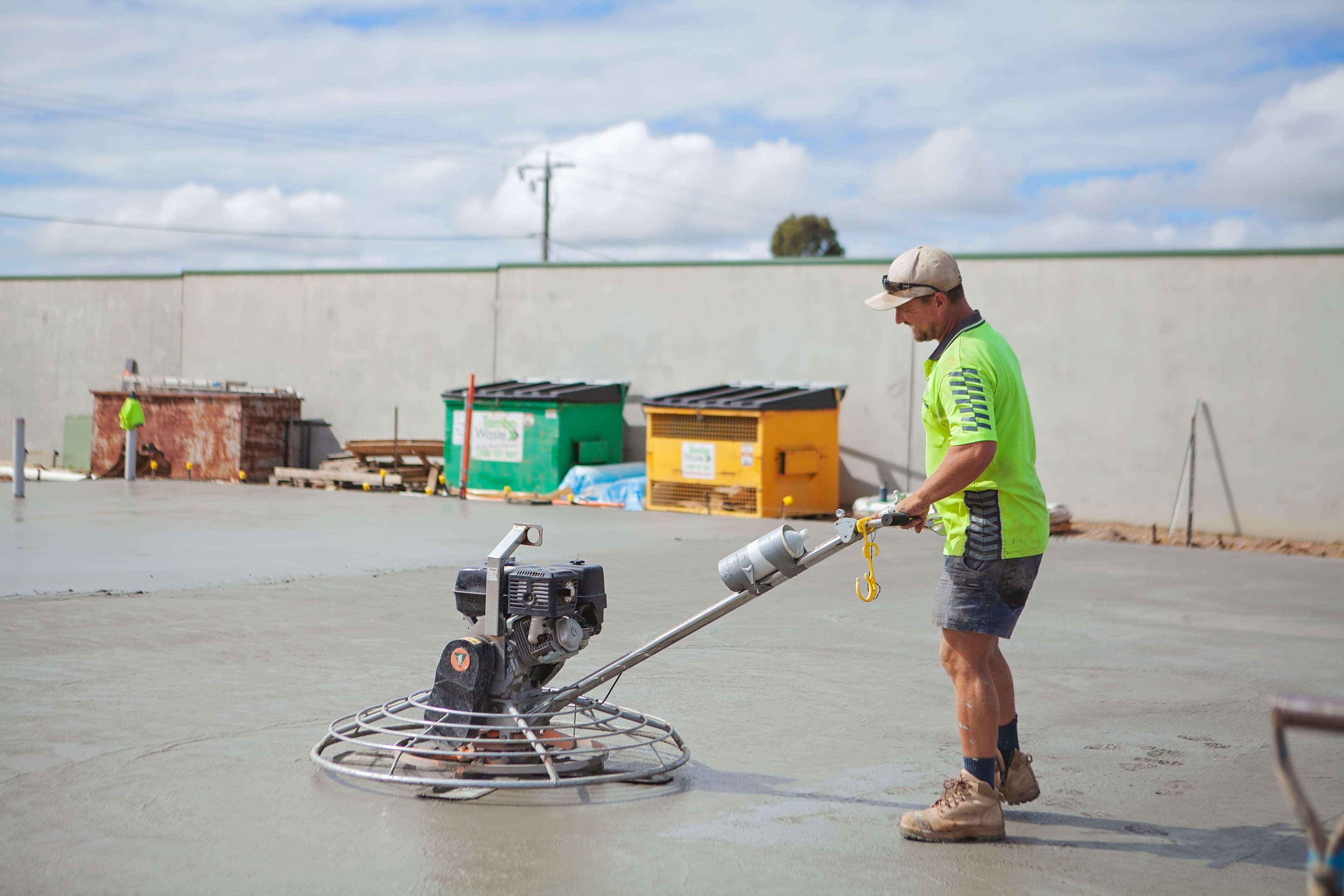
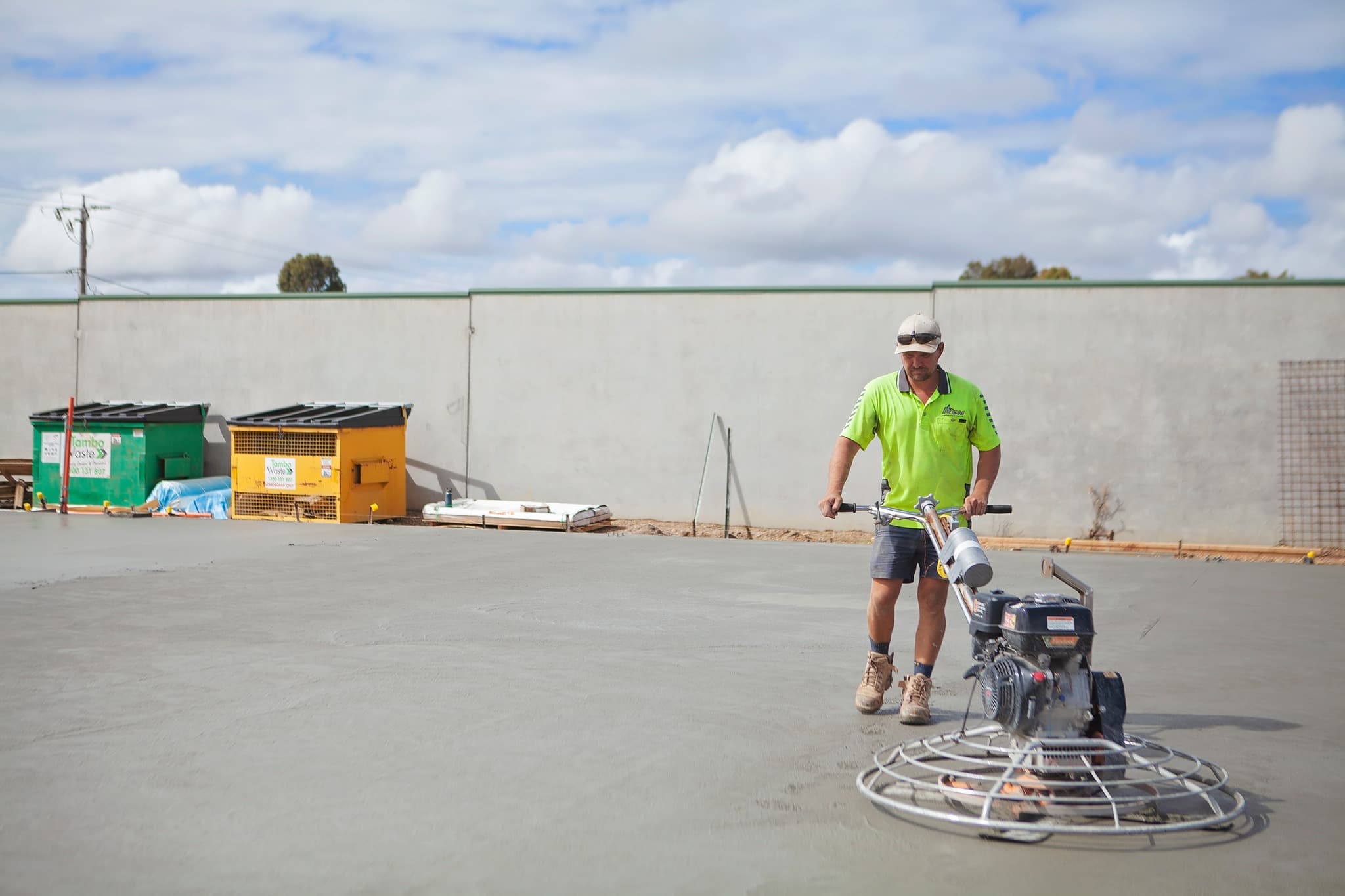
Finish is where taste meets budget. A plain broom finish is the baseline. Exposed aggregate, coloured and stencilled finishes all cost more, because they need different prep, more labour and specific timing on the day. The right finish depends on your slope, your look and how much upkeep you want, so choosing a driveway finish is a decision worth making before the pour, not after.
So what do you actually do?
Book a site visit. Twenty minutes on the block and we can write you a firm number. We will tell you what is driving the price, what we would change if anything, and a realistic start window. See our concrete driveways service for the full picture, and if the dig looks significant, our excavation service is the same team.
No surprises on pour day. That’s the deal. Get a quote and we’ll come and look at your actual block.