Yes, concrete can be poured through an East Gippsland winter. Good winter slabs come down to four things: an adjusted mix design, scheduling around ambient temperature and rain, thermal cure cover, and monitoring through the first 48 to 72 hours. Plan for it and you can’t tell the difference from a summer pour.
Every year around May we get the same call. "We want to wait until summer to pour the slab. Do we have to?"
Short answer: no. Long answer: winter pours in East Gippsland are fine, they just need to be planned for. Most of the risk in a winter pour is weather-dependent, not season-dependent, which means the difference between a good winter slab and a bad one isn’t the month. It’s how the pour was programmed.
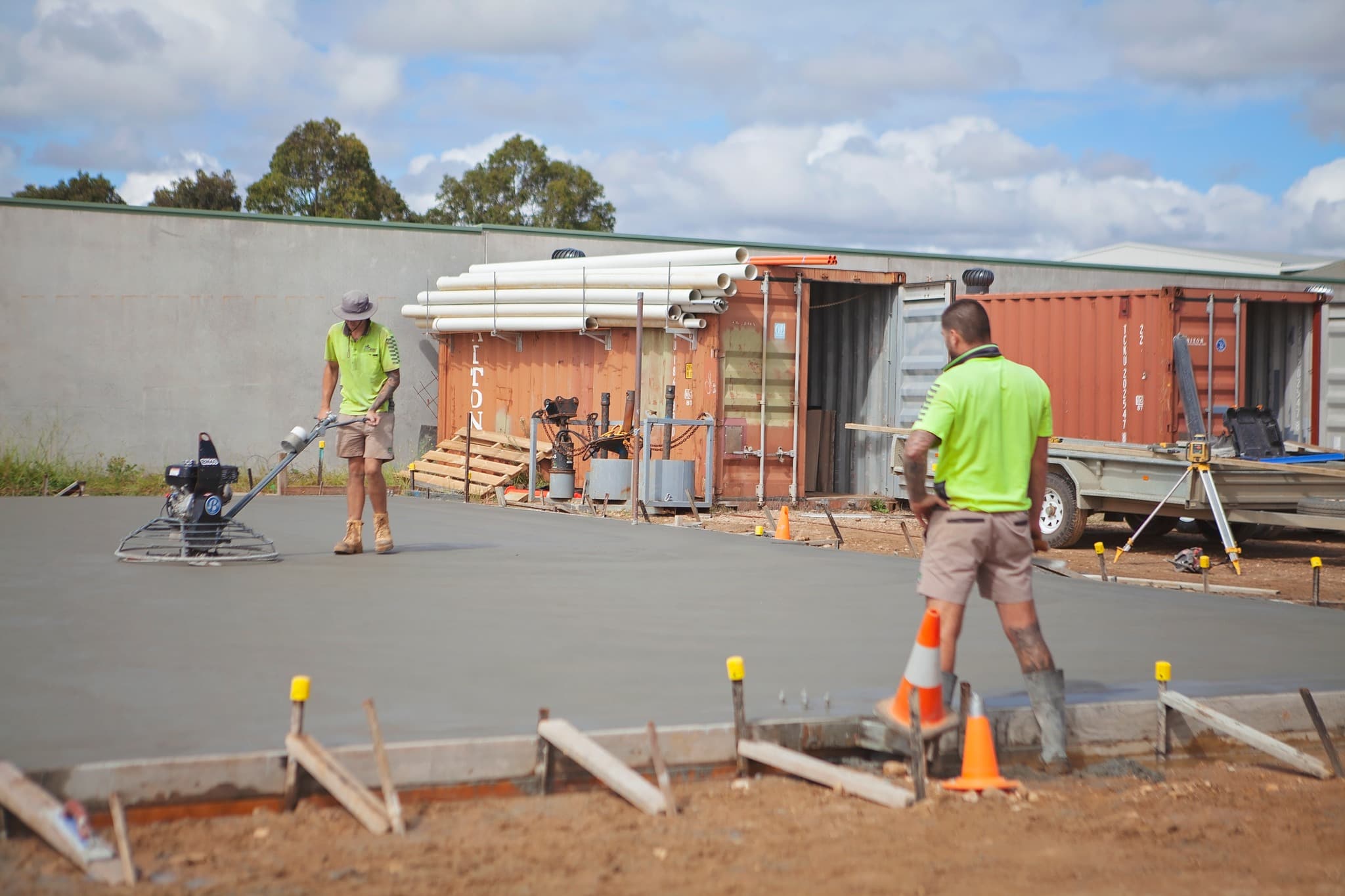
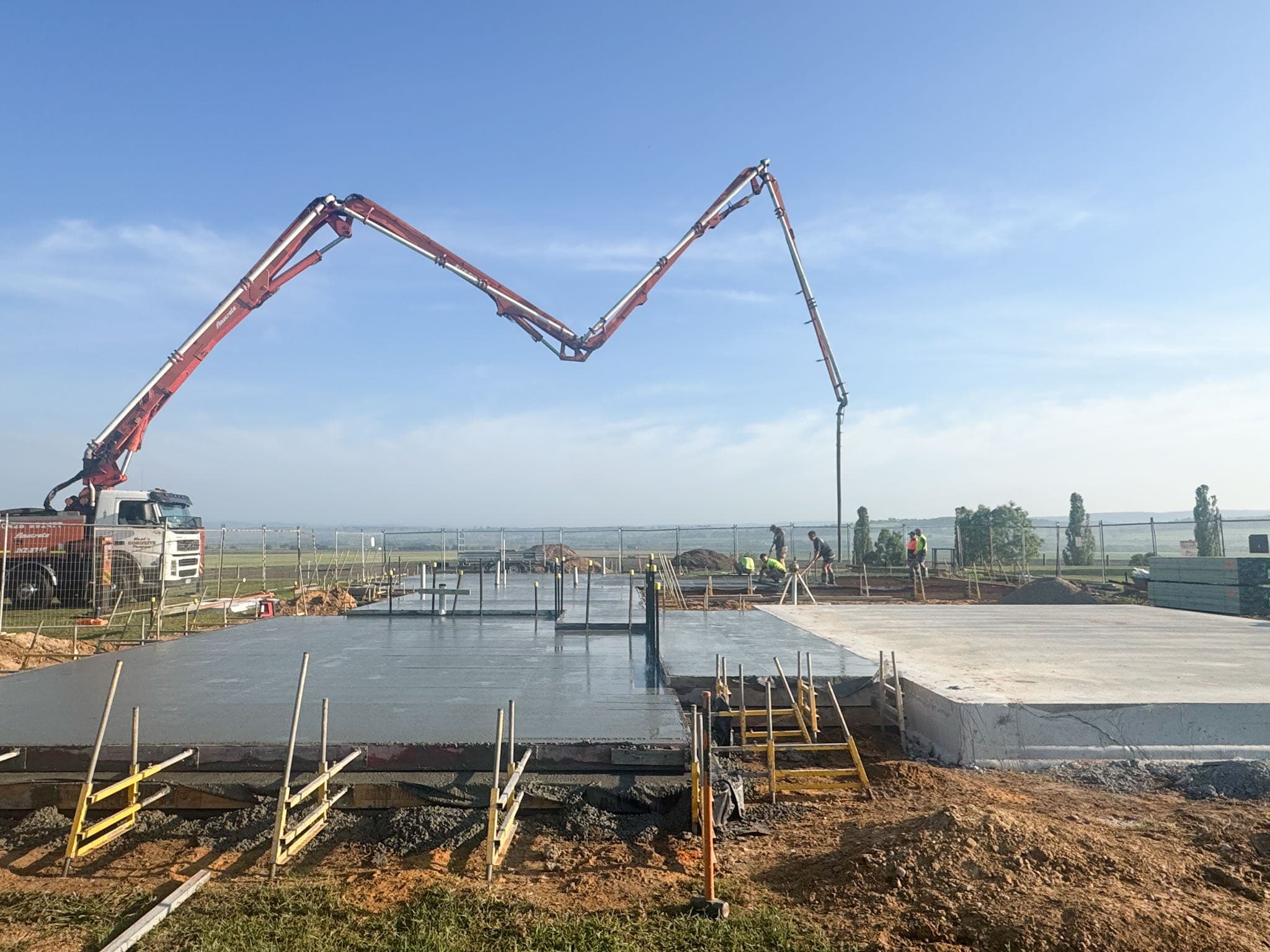
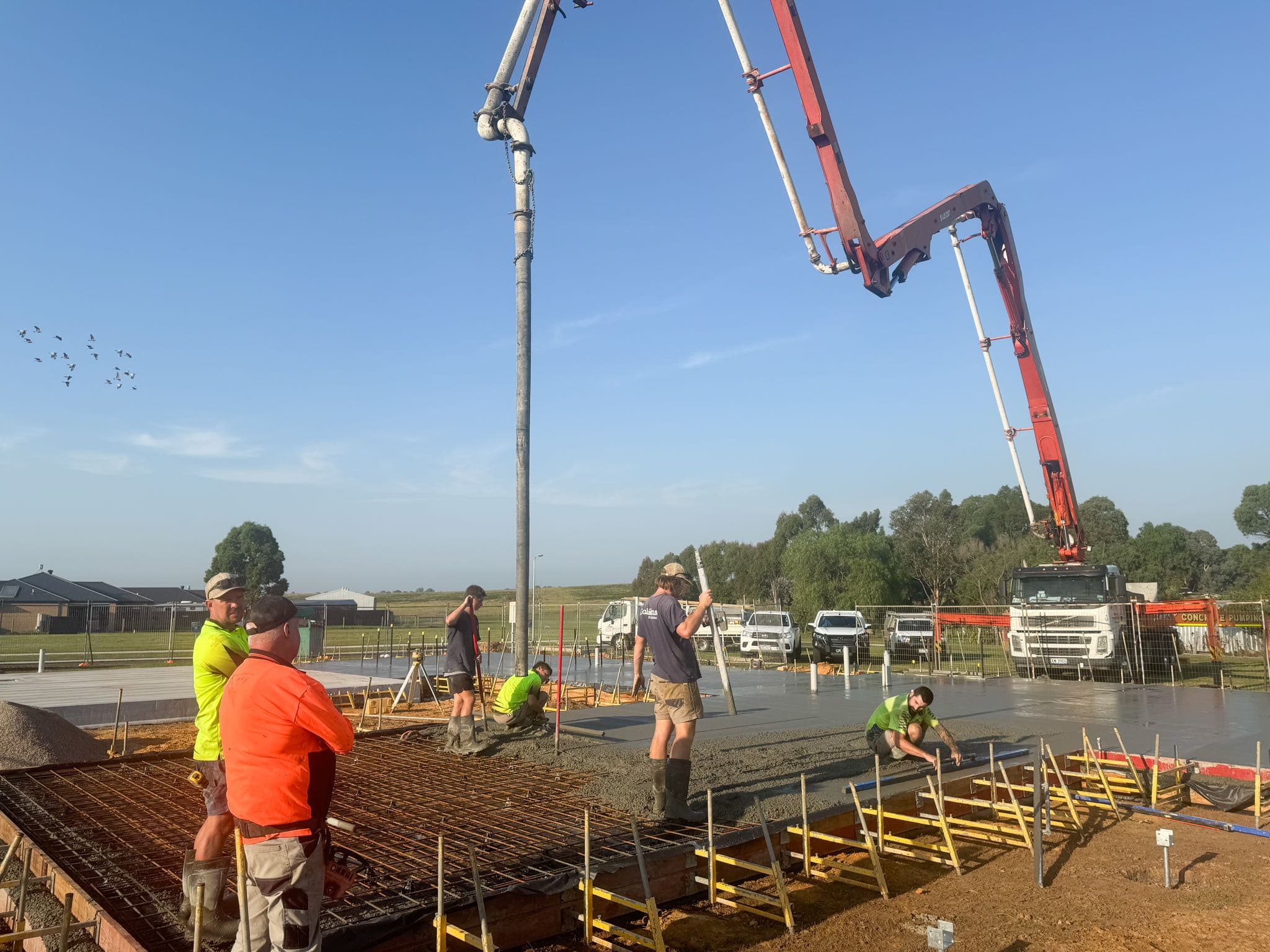
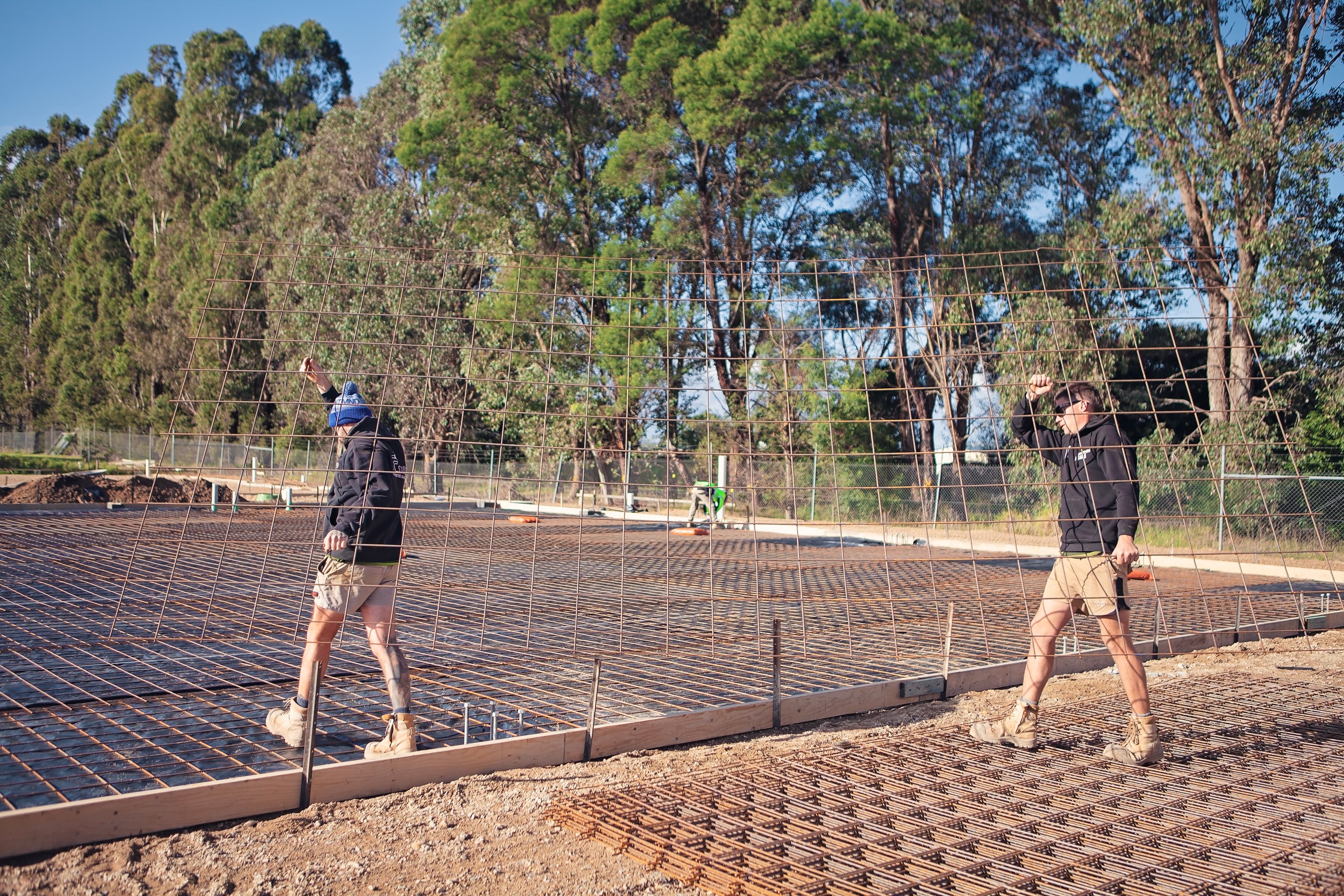
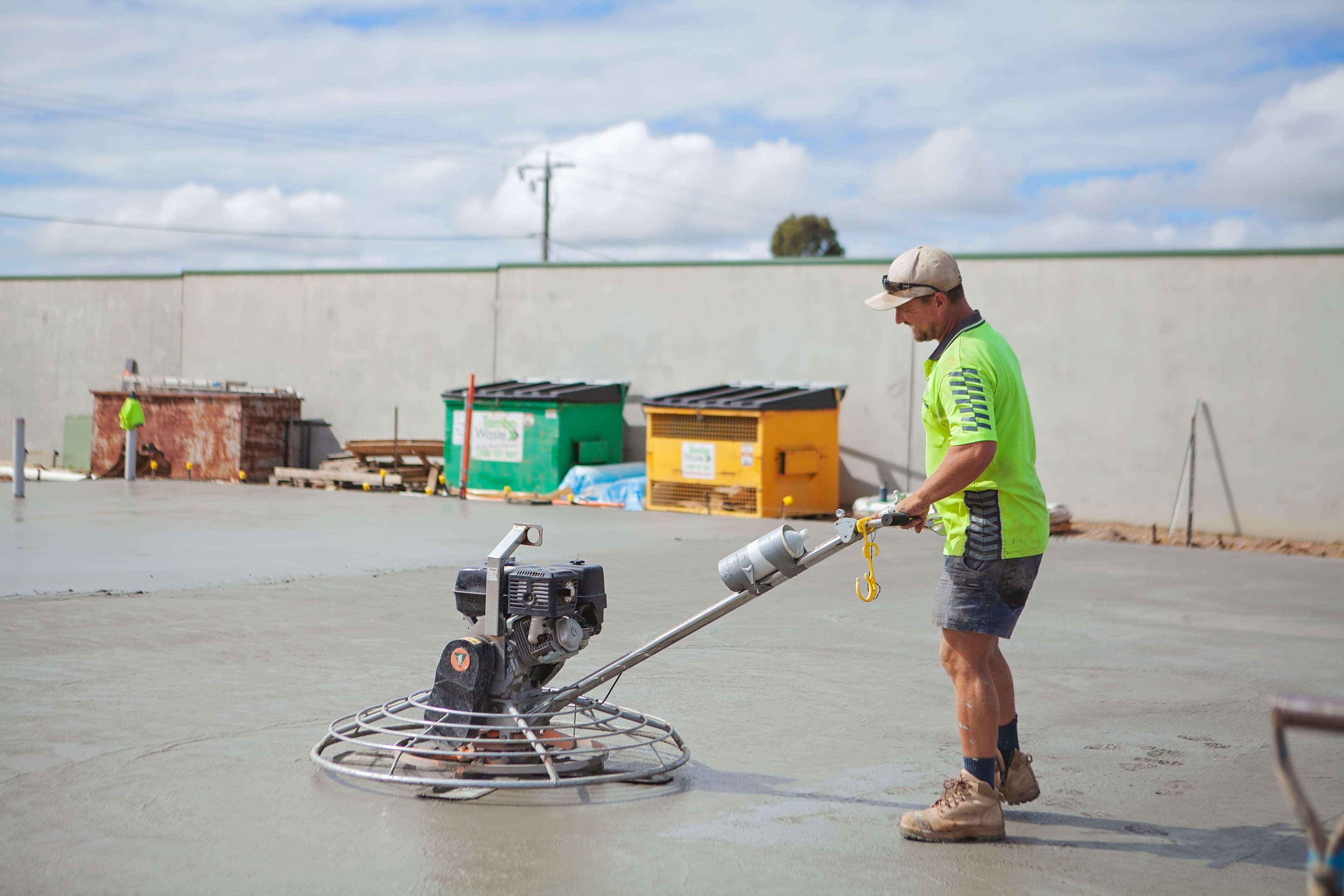
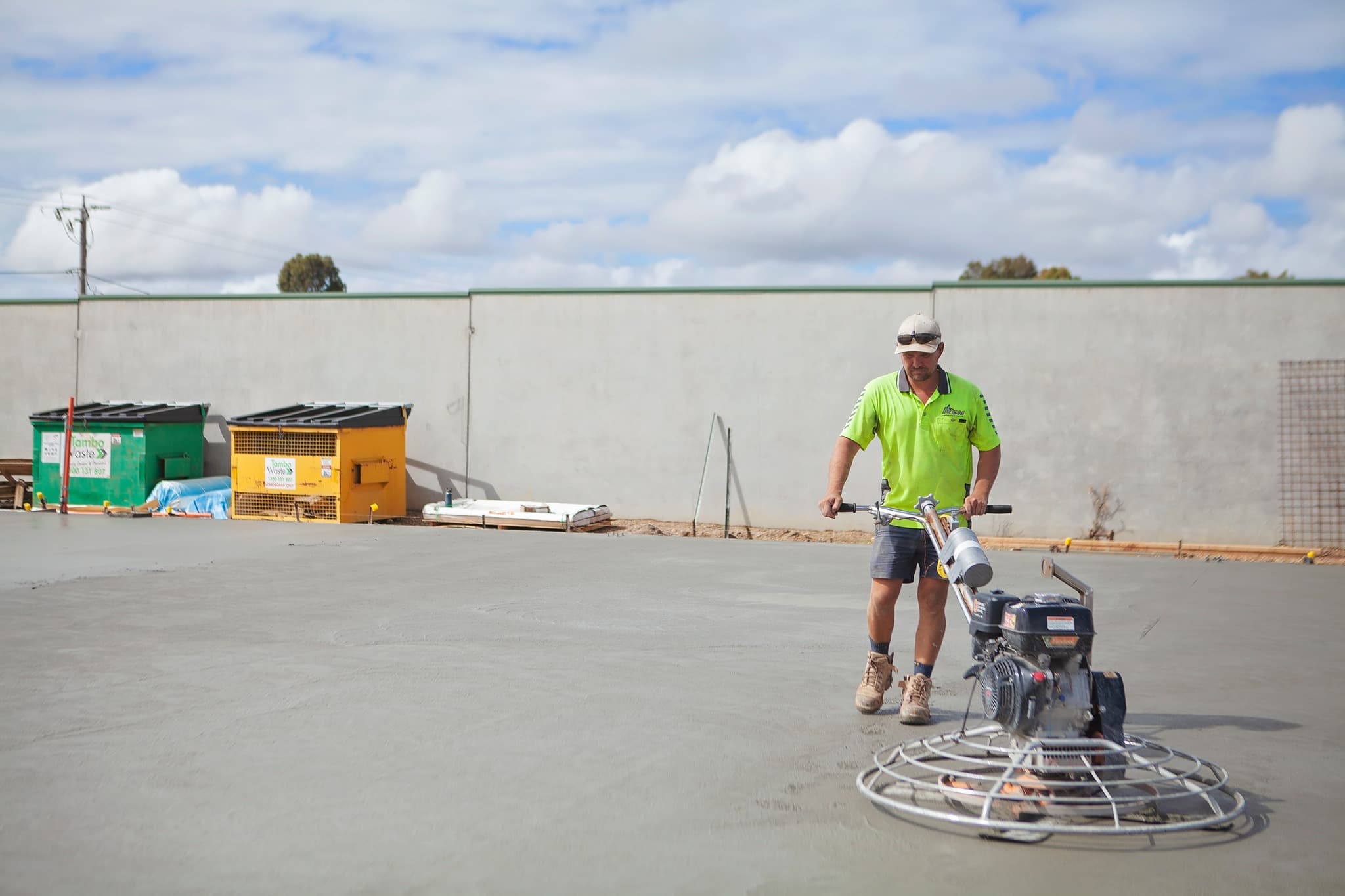
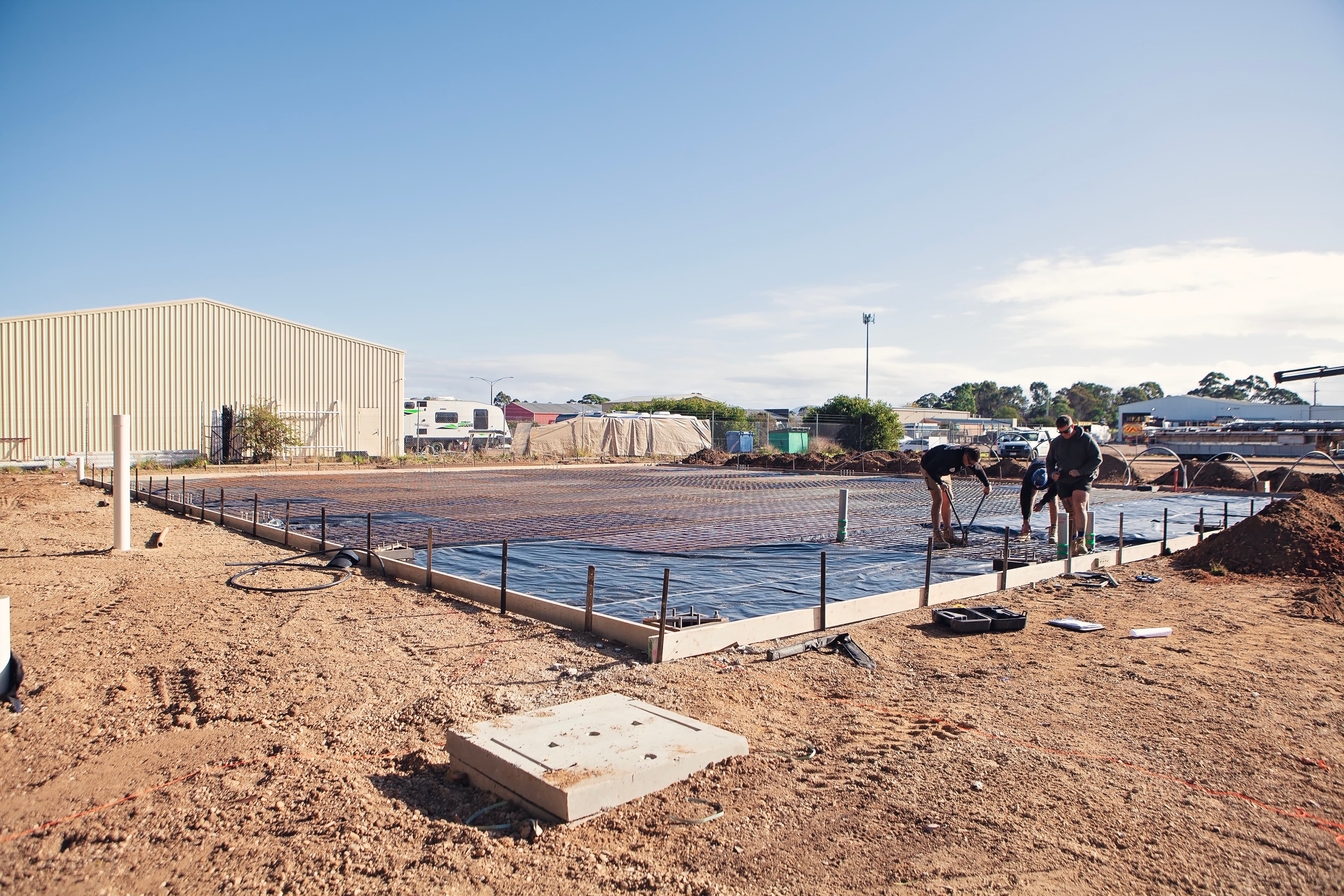
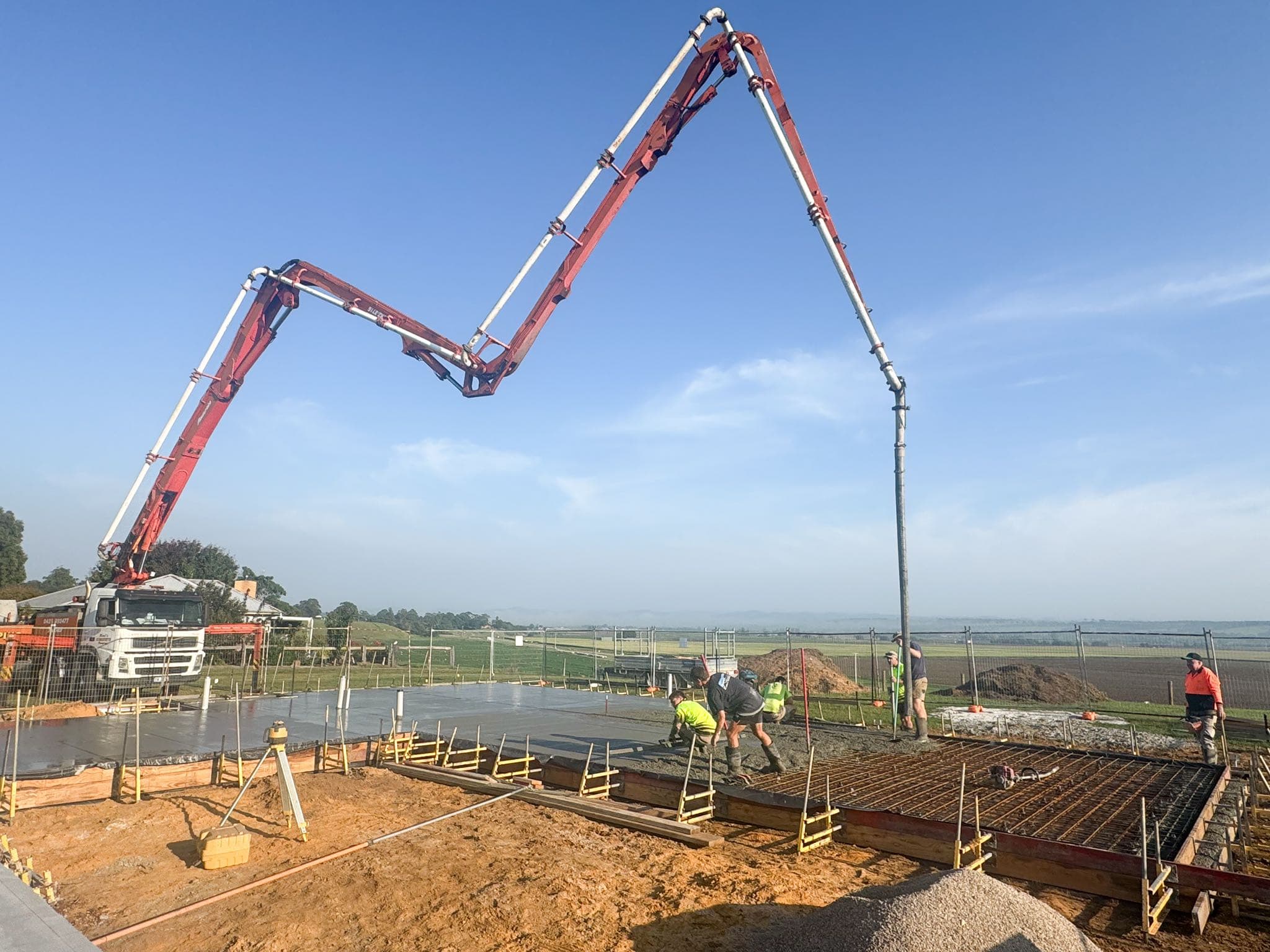
We did a commercial slab in Lucknow in June 2025, mid-winter, that ran exactly like this. Pour day was booked on a forecast weather window, the mix was tweaked for cooler conditions, the slab was protected through the critical cure hours, and the finish is indistinguishable from our summer work.
Here is what actually matters.
The real risk in cold-weather concrete
Concrete cures through a chemical reaction that generates heat. If the slab gets too cold the reaction slows. If it freezes in the first 12 to 24 hours you can get micro-cracking, surface scaling or internal weakness. Hard to see on the day, but it’ll drop the finished strength for the life of the slab.
In practice East Gippsland doesn’t drop that cold often. We don’t get hard frosts or freeze-thaw cycles like alpine Victoria. But we do get cold mornings, cool damp days and early frosts down on the river flats around Lindenow. So we plan for them instead of pretending they won’t happen.
What we change for a winter pour
1. Mix design
We’ll often move to a higher-grade mix or ask the supplier to put an accelerator in, so early strength gain happens faster. Hot-water batching is on the table for the coldest runs too.
2. Start time
We don’t pour at 7am into 4°C air on a damp sub-base. On cold mornings we push start times later so ambient and base temperatures are rising, not falling, through the pour.
3. Sub-base prep
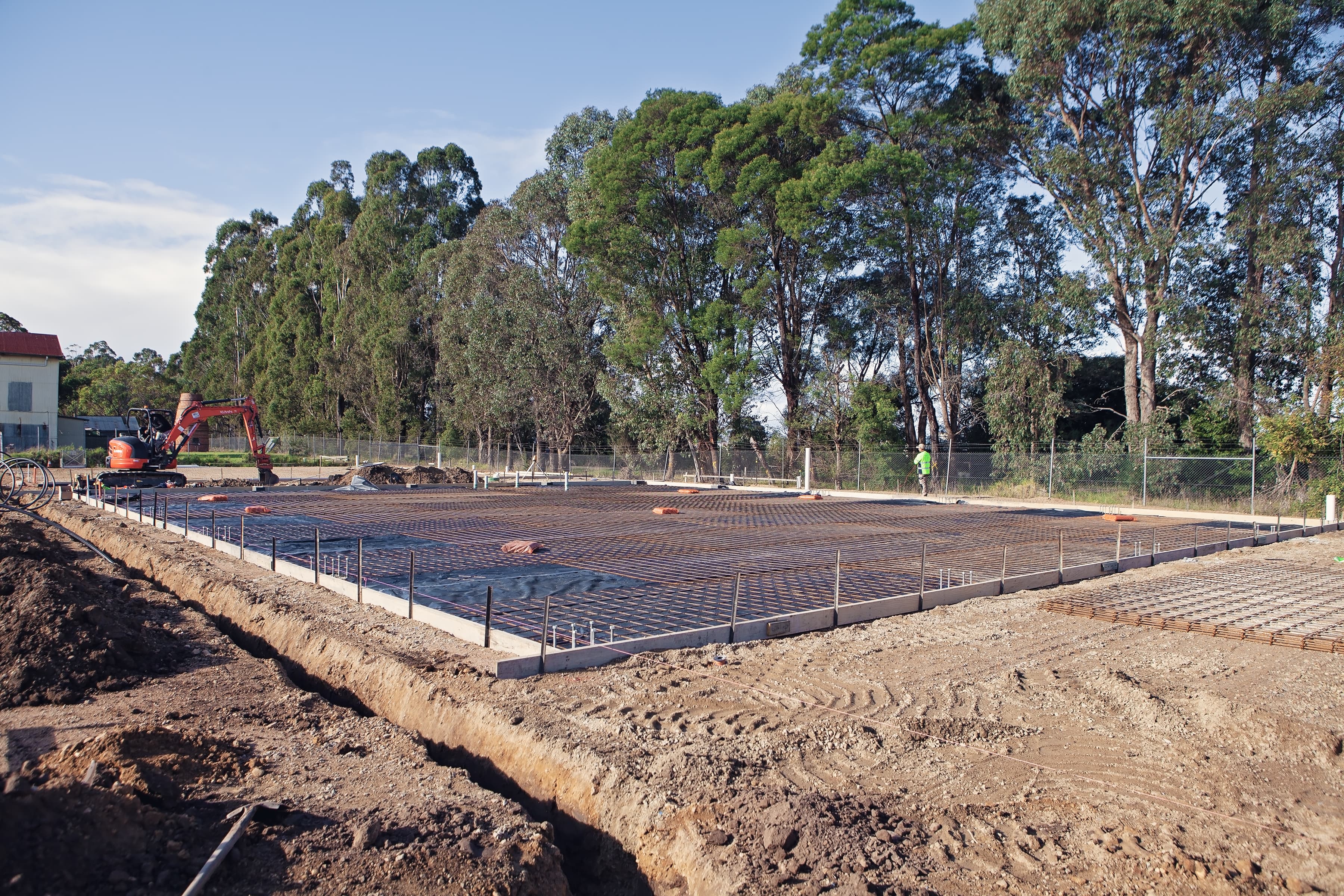
A wet or frozen sub-base is a problem. We cover and protect the base ahead of pour day where needed. Occasionally we pour a thin blinding layer the day before to lock it in.
4. Pour day monitoring
Ambient temperature, concrete temperature coming off the truck, and slab temperature through the finish are all tracked. If the numbers drift the wrong way we adjust: extra vibration, changed finishing times, earlier cover.
5. Cure protection
Thermal cure blankets, plastic sheeting and occasionally portable shelters. The aim is to keep the slab’s own reaction heat in, not to add external heat.
6. Extended cure
Cold pours take longer to gain strength, so we extend the protected cure window. No driving on a slab at five days when the design cure is seven.
What to ask before booking a winter pour
- What mix and additives will you use for this time of year?
- What is your plan if the forecast turns the day before?
- How will the slab be covered through the cure?
- What is the minimum ambient temperature you will pour in?
- When will the slab be fully strengthened for frame, vehicle loads, whatever comes next?
If your concreter can’t answer those specifically, you’re taking on more risk than you should.
Winter vs summer: which is actually better?
- Winter is slower to cure but less risk of heat-induced cracking and rapid moisture loss. Bookings are usually easier. Weather can slow the program.
- Summer pours faster but needs aggressive cure protection against heat and evaporation. The season everyone wants is often the riskier one if it isn’t planned for.
Honestly? Both work. What matters is planning. We’d rather you pour in a well-planned June than a badly-planned January.
A real winter pour: Lucknow commercial slab, June 2025
We poured a commercial-grade industrial slab in Lucknow mid-winter. The plan was:
- Target weather window booked two weeks ahead with a floating reschedule if the forecast changed.
- Mix upgraded for cold-weather strength gain.
- Sub-base prepared and covered 48 hours before pour.
- Pour started mid-morning to catch rising ambient temperatures.
- Thermal cure cover on through the first 72 hours.
- Cure monitored to seven days before any heavy traffic on the slab.
The finished slab is in day-to-day use. You can look at it and not know the month it was poured. That’s the point.
Want a winter pour quote?
If you’re weighing up whether to book now or wait winter out, give us a call. We’d rather tell you the real trade-off on your specific site than have you sit on the job for an extra four months for no good reason.